-
+86-18322274823


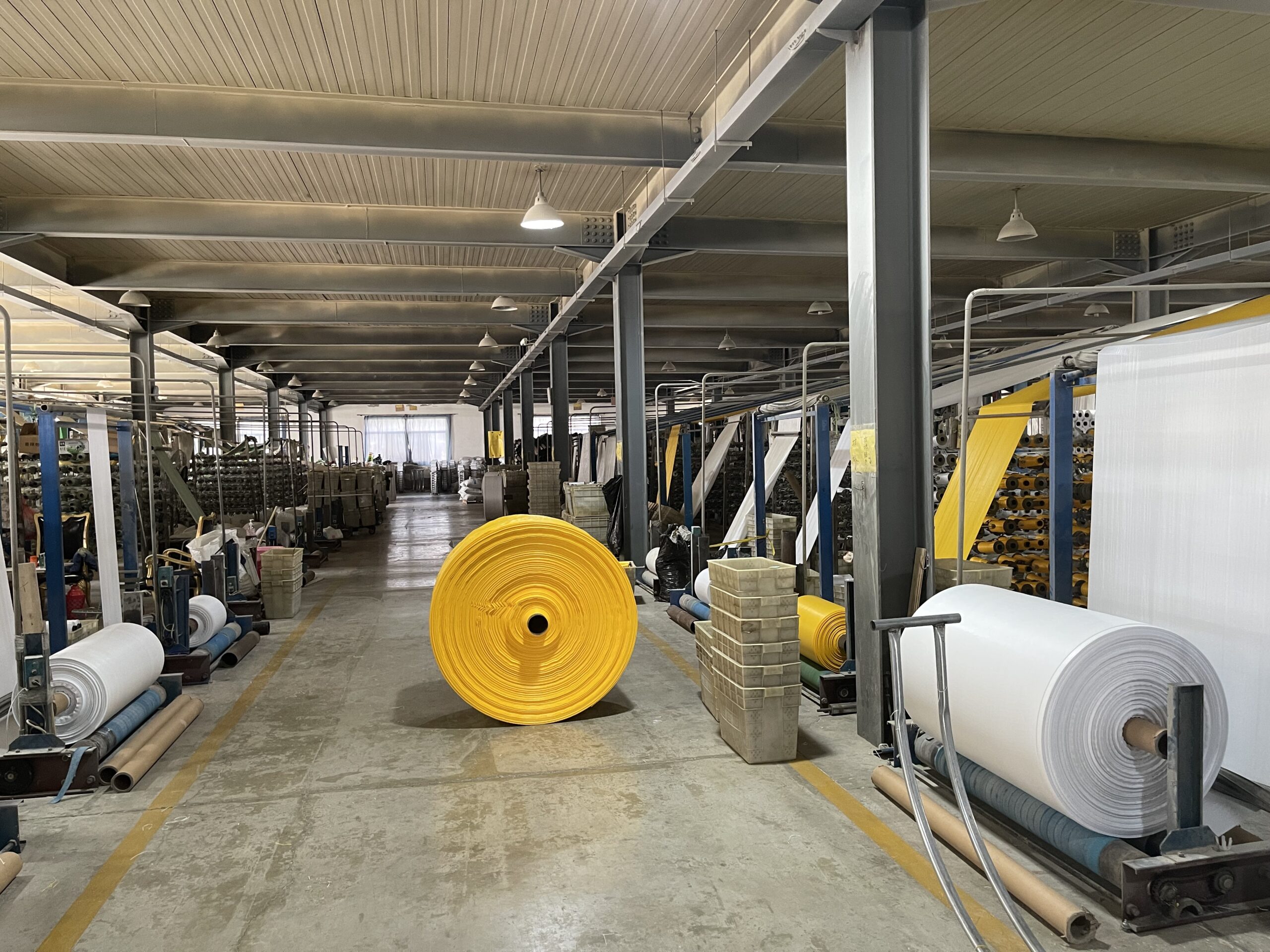
Weld Strength Testing BOPP Pinch Bottom Bags for Feed Automation
Weld Strength Testing BOPP Pinch Bottom Bags for Feed Automation
Key Takeaways
- Why Seam Integrity Dictates Auto-Filler Performance: At JTF PACK, we prioritize seam reliability as the cornerstone of high-speed feed production lines.
- Standardized Test Methods for BOPP Laminated Woven Seals: We utilize peel tests to isolate the interlaminar adhesive bond between the BOPP film and the PP woven substrate.
- Optimizing Heat Parameters for Pinch Bottom Configurations: Our engineering team prioritizes precise thermal calibration to ensure uniform polymer melting during weld strength testing BOPP pinch bottom bags.
- Troubleshooting Seal Failures in Granular Product Packaging: Our engineering teams frequently trace ply separation in high-volume feed lines back to inconsistent resin extrusion profiles or improper laminating adhesive cure rates rather than the thermal sealing stage itself.
- Quality Control Protocols for Industrial Bag Production: To ensure structural integrity during automated filling lines, our engineering teams prioritize rigorous validation procedures for every roll of BOPP laminated PP woven bags.
Why Seam Integrity Dictates Auto-Filler Performance
At JTF PACK, we prioritize seam reliability as the cornerstone of high-speed feed production lines.
When evaluating weld strength testing BOPP pinch bottom bags, our engineering protocols confirm that thermal fusion integrity directly correlates with auto-filler uptime. Our pinch bottom design utilizes a specialized pinch sealer where step-cut top folds undergo thermal compression. This process folds the pre-formed step-cut top down, where applied heat melts the laminated plies into a seamless permanent weld, ensuring the closure withstands extreme mechanical stress throughout the packaging lifecycle. JTFPACK manufactures weld strength testing bopp pinch bottom bags from its base in Tianjin, China, under ISO 9001 quality management.
Pinch Zone Mechanics During High-Speed Filling
High-speed packing lines expose the closure to lateral shear forces during tamping. Our moisture-proof BOPP laminated structure distributes these stresses across the entire seam width. ISO 9001 monitoring tracks peel resistance, ensuring the thermal weld maintains uniform tension even when automated rotary arms apply rapid impact loads. This consistency prevents premature bag rupture during conveyance, significantly reducing material waste in poultry and bird feed operations.
Stress Distribution Across 5-50kg Loads
Heavy-duty PP woven construction provides exceptional tensile strength, maintaining structural stability when handling payloads up to 50kg. The stepped corner profile engineered into the bag top interlocks within the thermal weld zone, resisting burst pressure under load. We engineer these seams to exceed minimum requirements, supporting robust logistics chains. For applications requiring optimized geometry for dense fertilizers or cow feed, our BOPP Pinch Bottom Bags Fertilizer Bag Design 50lb configuration demonstrates superior stress redistribution capabilities. Stability yields a consistent squared-off bottom via T-fold expansion, a result of the closure design.
Automated Gripper and Tamper Interaction
Automated filling mechanisms demand exacting tolerances; inconsistent seam profiles can cause jams or misfeeds on rotary tamping arms. We ensure standardized seam dimensions and smooth surface finishes to guarantee reliable gripper engagement and uninterrupted feeding. Dimensional precision minimizes friction risks, allowing seamless transition through conveyor drop points. Below, we outline critical performance metrics required for auto-fill compatibility:
| Parameter | Requirement | Impact on Automation |
|---|---|---|
| Seam Flatness | ±0.5mm variance | Prevents grip slippage |
| Thermal Bond Depth | Fully fused plies | Eliminates adhesive failure |
| Ply Adhesion | BOPP/PP lamination intact | Maintains moisture barrier |
Our commitment to dimensional accuracy supports global feed mill efficiency. You can explore our full range of solutions on our Pinch Bottom Bags category page, or review recent industry engagements in our post about BOPP Pinch Bottom Bags Fertilizer Packaging at 26t.
Standardized Test Methods for BOPP Laminated Woven Seals
We prioritize rigorous quality assurance when manufacturing BOPP laminated woven bags for high-volume automated filling systems. Our engineering team implements comprehensive protocols for each order, analyzing weld strength testing BOPP pinch bottom bags data to optimize seal bar temperatures and dwell times. This validation ensures consistent performance for packaging payloads ranging from 5kg granular products to 50kg fertilizers. We guarantee that seals maintain integrity throughout the supply chain, supporting efficient operations for diverse B2B clients.
Peel Strength Measurement Protocols
We utilize peel tests to isolate the interlaminar adhesive bond between the BOPP film and the PP woven substrate. This measurement verifies the integrity of the moisture-proof barrier, ensuring the laminate prevents moisture ingress during humidity exposure and mechanical handling. Aligned with ISO 9001 quality management frameworks, we assess the force required to separate these layers using standardized methodologies. We also track peel strength variations across different environmental conditions to ensure the adhesive bond remains stable during thermal cycling in the pinch sealing station. Specimens must match the final bag gauge and lamination thickness to ensure data accurately reflects performance characteristics across our portfolio, including specialized configurations for bulk material protection.
Tensile Load Yield Assessment
Tensile analysis quantifies the maximum force the sealed closure can withstand before separation occurs. We correlate these yield points directly to real-world scenarios involving transport stacking and vibration resistance during logistics. When evaluating our pinch bottom bags, we simulate the dynamic loads experienced on automated filling machines where the bag top enters the sealer. The pre-formed T-shape step-cut top fold allows the heat sealer to fold the stepped edges and melt the laminated plies into a permanent seamless weld. This thermal weld structure ensures the closure supports payloads ranging from 5 to 50kg without failure. The resulting square bottom profile emerges as the T-fold and pinch weld expand into a flat-bottomed rectangular shape after filling, delivering geometric stability for warehouse storage.
Burst Pressure Simulation Techniques
To identify potential weak bonding zones before bulk production begins, we employ burst pressure simulations using internal pneumatic loading. This method applies increasing pressure to the sealed bag to determine structural limits and detect anomalies in seam uniformity. By validating these parameters, we confirm that our closures endure rapid fill rates and internal pressure spikes inherent to high-speed automation, as detailed in our insights on BOPP Pinch Bottom Bags for 25kg Poultry Feed Packaging. This proactive verification minimizes the risk of seam defects, reducing material waste and preventing line stoppages during mass production runs. These rigorous tests reinforce our engineering standards and support reliable deployment across varied product categories, including PP woven bag BOPP Pinch Bottom Bags for Fertilizer and custom printed solutions requiring superior seam durability.
Optimizing Heat Parameters for Pinch Bottom Configurations
Temperature and Belt Speed Calibration
Our engineering team prioritizes precise thermal calibration to ensure uniform polymer melting during weld strength testing BOPP pinch bottom bags. The heat roll pressure must be meticulously synchronized with high-speed automation lines to maintain a consistent weld width across both step-cut and standard pinch bottom formats. We monitor these parameters continuously using embedded thermocouples, which prevent cold starts and thermal drift that typically cause premature delamination in heavy-duty fertilizer and animal feed packaging runs. When calibrated correctly, our sealing profiles consistently meet the tensile resistance thresholds outlined in ISO 9001 quality management frameworks, guaranteeing structural integrity throughout transport and storage. Key operational checkpoints include:
- Thermocouple placement at the nip point for real-time temperature feedback
- Variable frequency drive synchronization between sealing rollers and conveyor belts
- Dwell time verification to eliminate under-sealing or carbonization risks
Layer Fusion in BOPP Laminated PP Woven Materials
The core sealing mechanism relies on a dedicated pinch sealer that folds the pre-engineered T-shape step-cut top profile before applying controlled thermal energy. This process melts the laminated BOPP and PP woven plies into a permanent, seamless weld without compromising the structural weave. Because these vessels frequently handle automated filling operations for 5-50kg loads, the thermal interface must remain robust enough to withstand mechanical stress during palletization and handling. Our engineers verify that the heat transfer remains evenly distributed across the full seam length, preventing weak points that could rupture under dynamic friction. The resulting sealed closure expands into a stable, flat-bottomed rectangular shape once filled, delivering reliable load-bearing performance while preserving the outer BOPP moisture-proof barrier against environmental humidity.
Custom Printing Interference Mitigation
Applying custom graphics or corporate branding can inadvertently lower surface energy when ink layers or coating varnishes cross the intended sealing zone. To counteract this, we implement targeted corona pre-treatment sequences or adjust die dwell times to restore optimal seal reliability. Our validation protocols routinely incorporate standardized impact testing alongside PP woven bag BOPP Pinch Bottom Bags for Fertilizer production benchmarks, ensuring that decorative finishes never compromise vacuum stability or puncture resistance. By fine-tuning the thermal profile to accommodate printed substrates, manufacturers can deploy fully automated dispensing systems without sacrificing container durability. Consistent weld integrity directly correlates to reduced line stoppages and higher throughput efficiency on rotary packing machines.
Troubleshooting Seal Failures in Granular Product Packaging
Identifying Delamination and Cold Seal Origins
Our engineering teams frequently trace ply separation in high-volume feed lines back to inconsistent resin extrusion profiles or improper laminating adhesive cure rates rather than the thermal sealing stage itself. When conducting weld strength testing BOPP pinch bottom bags, we verify that the multi-layer structure remains fully intact before the pre-engineered step-cut top fold enters the pinch sealer. The closure relies entirely on a direct thermal weld where these stepped laminated plies are mechanically pleated and fused into a permanent, seamless joint without adhesives or tape. The pinch sealer precisely aligns the interlocking step-cut corners, applying calibrated thermal energy that melts the inner layers into a continuous structural seam. Any early ply separation will inevitably compromise this bond during automated filling operations, making upstream material consistency critical for downstream performance.
Material Thickness Variation Management
Gauge variations across the BOPP/PP woven web directly disrupt uniform contact pressure during thermal sealing. To maintain reliable seal integrity across our 5–50 kg product lineup, we control dimensional tolerances through several precision steps:
- Inline laser scanners continuously map caliper distribution across the entire reel width.
- Closed-loop tension actuators auto-adjust draw rollers to compensate for minor web stretch.
- Feedback algorithms synchronize extrusion screw speeds with laminating nip pressure.
This systematic approach ensures consistent film presentation before the composite layer reaches the heated sealing bars. We align these calibration routines with ISO 9001 quality management frameworks and reference ASTM D1004 peel test methodologies to validate bond uniformity under high-speed automated filling cycles.
Environmental Controls During Manufacturing
Ambient humidity levels above sixty percent significantly reduce adhesive tackiness and diminish the static friction required for stable automated pinch formation. We monitor climate-controlled production zones rigorously to prevent premature film slippage during the high-speed folding sequence. Routine visual inspection combined with destructive lap-joint sampling allows us to catch micro-tears and edge delamination long before they reach the packing line. This proactive validation preserves the heavy-duty load-bearing capacity of our moisture-proof designs, ensuring reliable performance for grain and fertilizer logistics. Manufacturers seeking optimized closure mechanics often review our complete Pinch Bottom Bags portfolio, where every specification is engineered to withstand rigorous industrial cycling.
Quality Control Protocols for Industrial Bag Production
To ensure structural integrity during automated filling lines, our engineering teams prioritize rigorous validation procedures for every roll of BOPP laminated PP woven bags. We deploy systematic weld strength testing BOPP pinch bottom bags workflows because consistent closure performance directly correlates with bulk handling reliability. Our standard inventory ranges from 5 to 50 kg capacities, engineered specifically for high-throughput feed and fertilizer networks where moisture-proof barriers and automated filling compatibility remain non-negotiable.
Batch Sampling and Statistical Validation
Our quality control protocols begin with randomized cross-section sampling across every manufacturing shift. This approach delivers statistically reliable weld strength data that maps directly to line speed tolerance thresholds, validating seals against established industrial peel standards before release. We verify that the pre-formed T-shape step-cut top fold interlocks properly under thermal compression. The resulting closure withstands dynamic stresses during high-speed discharge cycles, while the sealed base expands into a stable rectangular footprint upon material loading for predictable stacking behavior.
Continuous Process Monitoring Systems
Real-time diagnostics form the backbone of our production environment. Automated inline sensors continuously track seam width, temperature stability, and web tension to flag deviations before they reach finished inventory. During sealing, each filled bag enters a dedicated pinch sealer where mechanical guides fold the stepped corners into position. Precision heaters then melt the aligned BOPP/PP woven plies into a permanent seamless thermal weld, eliminating weak points caused by cold seams. Operators adjust servo-driven speeds instantaneously when sensor feedback indicates parameter drift.
Documentation and Compliance Alignment
Detailed test logs capture every calibration adjustment and seal verification event, enabling rapid root-cause analysis when filler nozzles generate excessive abrasion or impact forces. This transparent record-keeping supports continuous improvement and ensures every production run meets stringent operational requirements. All quality checkpoints align with ISO 9001 quality management frameworks to guarantee repeatable output for global agricultural distributors. For facilities evaluating automation-ready solutions, exploring our Pinch Bottom Bags catalog reveals configurations optimized for consistent throughput. Additional insights on material performance are available in our review of Optimize Nutrient Retention with Our BOPP Pinch Bottom Bags for Organic Fertilizers.
Frequently Asked Questions
How do I measure peel strength in pinch bottom seals without damaging the BOPP laminate?
To measure peel strength accurately without compromising BOPP laminate integrity, we recommend using a tensile tester configured for ASTM D882 standards with cross-head speeds optimized for thermoplastics. Focus on achieving cohesive failure within the heat-seal area. For non-destructive verification on running lines, utilize inline thermal imaging to validate weld uniformity across 5-50kg bag capacities before executing destructive peel tests. This dual approach ensures precise data while preserving sample structure for comprehensive analysis.
What temperature ranges should I set for welding BOPP laminated PP woven bags on high-speed lines?
For high-speed automated filling lines processing BOPP laminated PP woven structures, we optimize seal temperatures between 160°C and 185°C. This range ensures complete melting of the polypropylene inner ply while protecting the BOPP surface from thermal degradation. Proper calibration of nip pressure is critical; when parameters are balanced, our pinch sealer successfully melts laminated plies into a permanent seamless weld, guaranteeing leak prevention even during rapid cycle operations.
Does custom offset printing reduce the effective weld width on T-Shape dog food bags?
Custom offset printing affects weld quality if ink overlaps the seal zone on T-Shape dog food bags. Ink acts as a thermal insulator, which can narrow the effective weld width. To mitigate this, we enforce strict unprinted margins around pinch bottom contours. Our precision manufacturing isolates the seal area from printed graphics, ensuring that thermal welding maintains robust, moisture-proof seams capable of supporting heavy product weights without compromised structural integrity.
How does ambient humidity affect moisture-proof seam bonds during poultry feed packaging?
Ambient humidity influences handling dynamics rather than degrading heat-welded seams in poultry feed operations. Our BOPP/PP woven constructions deliver inherent moisture-proof performance; once the pinch sealer fuses the layers, the bond remains chemically stable regardless of atmospheric conditions. However, high humidity may induce static buildup, disrupting bag registration on automated fillers. We advise environmental controls to ensure precise film alignment, guaranteeing consistent thermal energy distribution for reliable seam formation.
What sample size is required for statistically valid weld strength testing per batch?
For statistically valid weld strength validation per production batch, we recommend sampling a minimum of five specimens per test condition. This protocol aligns with industry best practices for assessing process capability. Testing should span the start, middle, and end of the run to capture variability. Analyzing mean peel values across these samples allows you to confidently verify seal integrity for bag capacities ranging from 5kg to 50kg throughout full production cycles.
Can step-cut pinch bottom designs withstand higher tamper speeds than standard flat bottoms?
Step-cut pinch bottom designs offer superior mechanical stability compared to flat configurations, effectively absorbing higher impact forces during automated filling and transport. The pinch sealer actively folds and thermally bonds multiple stepped plies, creating a reinforced base that resists deformation. This geometry improves load distribution and drop resistance. While both styles rely on thermal fusion for hermetic closure, the step-cut architecture provides enhanced durability for demanding bulk packaging scenarios.
Contact the JTF PACK team today to discuss weld optimization strategies and secure high-performance packaging solutions tailored to your production requirements.