-
+86-18322274823


How Gravure Printing on BOPP Pinch Bottom Bags Builds Brand Equity in B2B Commodity Markets
Introduction
In the agricultural input and pet food industries, a bag is often dismissed as a cost center — a necessary expense to move product from plant to warehouse to farm. Yet procurement managers who track customer feedback and repeat purchase rates notice something interesting: the packaging that surrounds a commodity product quietly shapes how the product itself is judged.
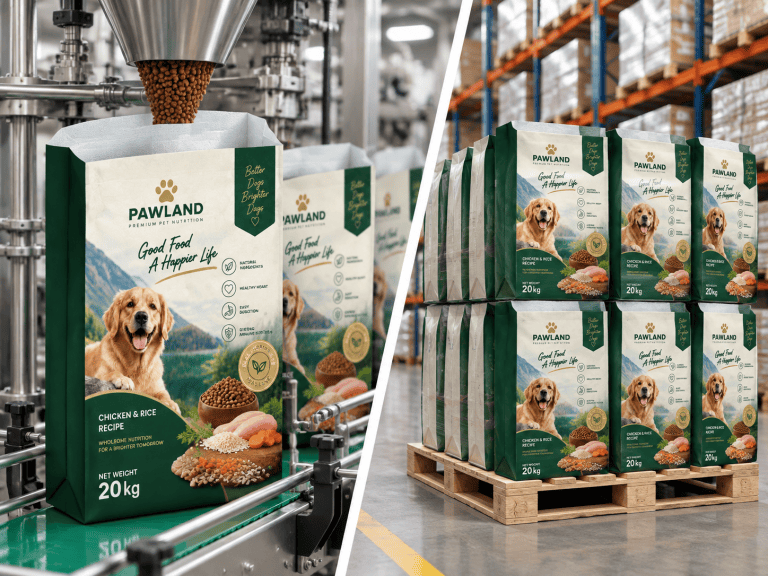
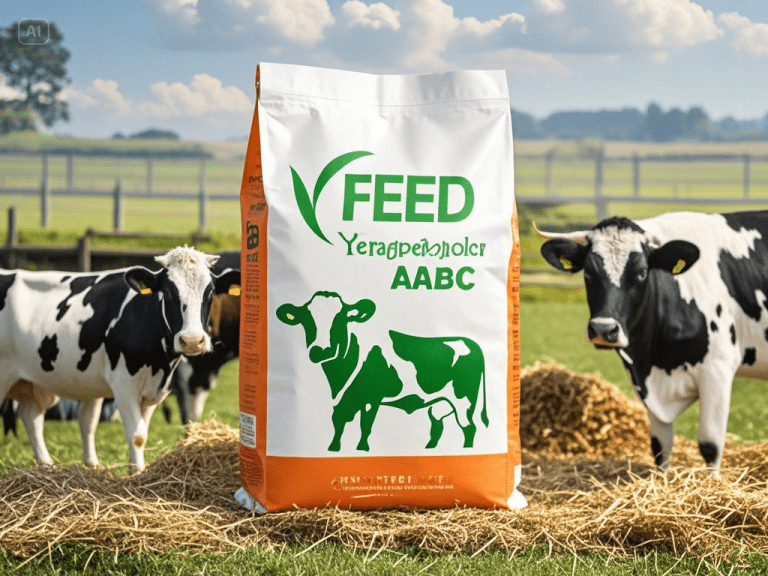
Among the packaging formats available to fertilizer, feed, seed, and pet food manufacturers, BOPP pinch bottom bags stand apart not only for their structural performance but for their printing capability. When combined with rotogravure printing on biaxially oriented polypropylene film, these bags transform from simple containers into brand-building tools that influence purchasing decisions at the distributor, retailer, and end-user levels.
This article explains why print quality matters in B2B commodity markets, how gravure printing on BOPP differs from other decoration methods, and what to specify when ordering custom-printed pinch bottom bags for your brand.
1. The Commodity Paradox: Why “Just a Bag” Is Never Just a Bag
Fertilizer is fertilizer. Chicken feed is chicken feed. Or so the logic goes. But in crowded distribution channels — whether a rural agrochemical store in Punjab, a pet supply warehouse in Rotterdam, or a wholesale market in Guadalajara — buyers face walls of visually similar products. When formulations are comparable and prices cluster together, the decision often comes down to perceived quality and brand recognition.
Research in consumer packaged goods consistently shows that shoppers form quality judgments within seconds of seeing a package. While B2B buyers may claim rationality, the same visual cues operate: sharp, vibrant printing signals manufacturing competence; faded, misaligned graphics suggest corner-cutting elsewhere.
For export-oriented manufacturers, the stakes are higher. A buyer in a foreign market cannot visit your factory or test your product before purchase. The bag becomes the first — and sometimes only — tangible proof of your standards.
2. What Makes BOPP Film the Premium Canvas for Woven Bags
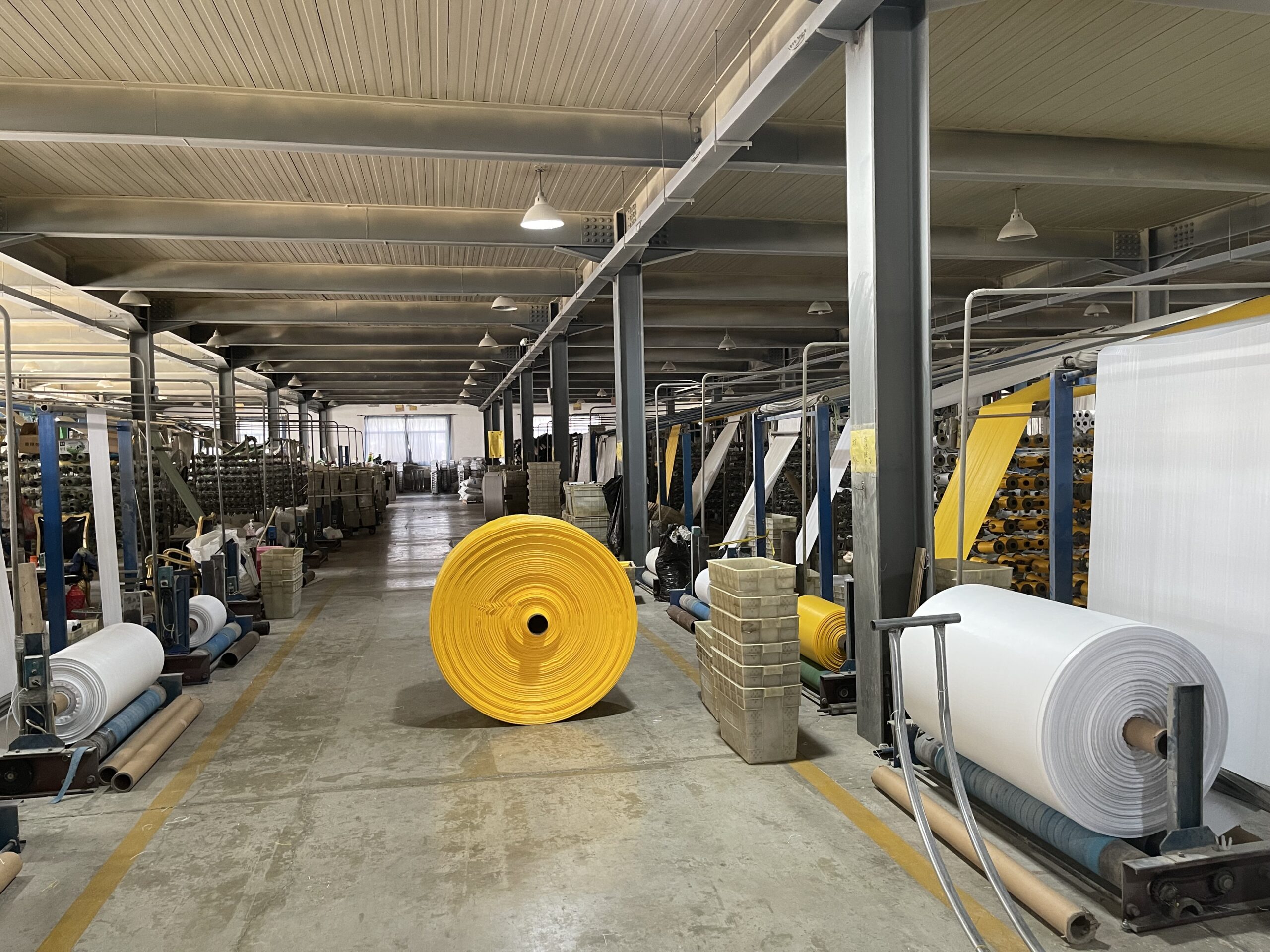
Not all printable surfaces on woven sacks are equal. The base PP woven fabric, while strong, has an uneven texture that limits print resolution. BOPP lamination solves this by bonding a smooth, printable film layer to the woven substrate. The result is a surface that accepts high-definition graphics comparable to flexible packaging used in snack foods and consumer goods.
Key advantages of BOPP as a print substrate:
Property Benefit for Brand Owners High gloss surface Colors appear saturated and vibrant under retail lighting Dimensional stability No stretching or distortion during printing and lamination Reverse-side printing capability Ink is protected between film and fabric, resisting scuffing and moisture Fine dot reproduction Photographic images, gradients, and small text remain legible Consistent ink adhesion Reduces batch-to-batch color variation
When this printing surface is combined with the pinch bottom closure — creating a flat, stable base and clean side gussets — the bag presents a uniform, retail-ready appearance that sewn sacks cannot match.
3. Gravure vs. Flexo vs. Offset: Choosing the Right Printing Method
Three printing technologies dominate decorative woven bag production. Understanding their differences helps you align print quality with brand positioning and budget.
Rotogravure Printing (Recommended for Premium BOPP Bags)
Gravure uses engraved copper cylinders to transfer ink directly to the film. It is the standard for high-volume, high-quality flexible packaging worldwide.
Strengths:
- Exceptional color depth and consistency across long runs
- Photographic image reproduction with smooth gradients
- Up to 10 colors in a single pass, enabling complex designs and metallic effects
- Ink laydown is thick and durable, resistant to fading
Considerations: - Cylinder engraving is a significant upfront cost
- Economical only for runs above roughly 10,000–20,000 bags per design
For established brands with stable designs and repeat orders, gravure on BOPP delivers the lowest cost per impression at the highest quality tier.
Flexographic Printing
Flexo uses photopolymer plates and is common for simpler designs on PP/PE laminated bags.
Strengths:
- Lower plate costs than gravure cylinders
- Suitable for shorter runs and more frequent design changes
- Adequate for bold logos, solid colors, and text-heavy layouts
Limitations: - Cannot match gravure’s fine detail or color saturation
- Halftone gradients may show visible dot patterns
- More prone to color variation between production batches
Offset Printing (Sheet-Fed)
Rarely used for woven bags; more common in paper-based packaging. Not recommended for BOPP/PP woven structures due to adhesion and durability issues.
4. Specifying Custom-Printed Pinch Bottom Bags: A Procurement Checklist
To ensure your printed bags arrive matching your brand standards, include these parameters in your purchase specification:
Design & Prepress
- Supply vector artwork (AI, EPS, or PDF) with outlined fonts
- Specify Pantone (PMS) colors for critical brand elements; request drawdowns or digital proofs before cylinder engraving
- Confirm print orientation relative to bag filling and palletizing
Print Quality Controls - Maximum dot gain tolerance (typically ±5% for gravure on BOPP)
- Color variation limits between batches (Delta E ≤3 for brand-critical colors)
- Registration accuracy: ±0.5mm for multi-color designs
Physical Bag Specifications - BOPP film thickness: 18–25 microns
- Lamination bond strength: ≥2.5 N/15mm to prevent delamination in humid climates
- Pinch bottom adhesive pattern matched to your filling equipment
Quality Verification - Request a “golden sample” signed by both parties before mass production
- Specify third-party inspection criteria if ordering above USD 20,000
- Require production photos showing print registration and color density at start, middle, and end of run
5. Case Context: When Print Quality Drove Market Share
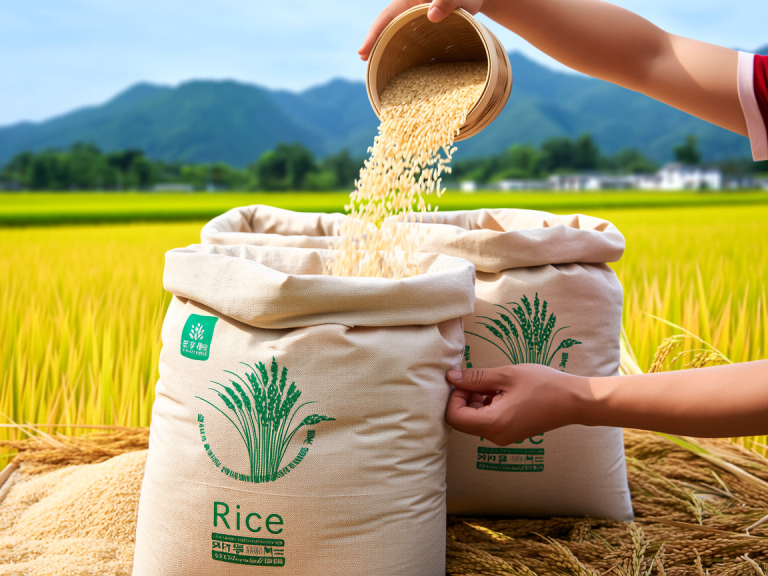
A mid-sized fertilizer producer in Southeast Asia competed in a market dominated by multinational brands with decades of distribution presence. Their product performed comparably in field trials, yet retail placement lagged. The breakthrough came not from formulation changes but from packaging: they switched from unprinted woven sacks to BOPP pinch bottom bags with full-color gravure printing featuring local farming imagery and multilingual application instructions.
Within two seasons, distributors reported that farmers specifically requested “the bag with the rice field picture.” Retailers gave the product better shelf positioning because the bags stacked neatly and looked professional. The company expanded distribution to three new provinces without changing its sales team size.
This is not an anomaly. In markets where brand loyalty is still forming and product differentiation is subtle, packaging is often the most cost-effective brand-building investment available.
6. Sustainability and Print: Addressing the Next Frontier
As environmental regulations tighten in the EU and consumer awareness grows globally, brands face pressure to demonstrate packaging responsibility. BOPP/PP woven structures offer advantages here: the entire bag is polypropylene-based, enabling mechanical recycling where infrastructure exists. Some manufacturers now offer:
- Recycled PP content in the woven base fabric
- Water-based and solvent-free ink systems
- Reduced ink coverage designs that maintain visual impact with lower material use
When communicating sustainability through packaging, ensure claims are specific and verifiable. Vague terms like “eco-friendly” invite regulatory scrutiny and consumer skepticism.
Conclusion: The Bag as Brand Ambassador
For manufacturers of fertilizer, animal feed, seeds, and pet food, the BOPP pinch bottom bag is more than a protective container. It is a durable, high-definition print surface that travels through the supply chain, sits in retail environments, and influences purchasing decisions long after your sales team has left the room.
Investing in gravure printing on quality BOPP film is not an expense to minimize — it is a brand asset that compounds in value with every impression. When specifying your next order, treat the print specification with the same rigor you apply to the bag’s physical performance. Your customers, and your competitors, are already doing so.