-
+86-18322274823


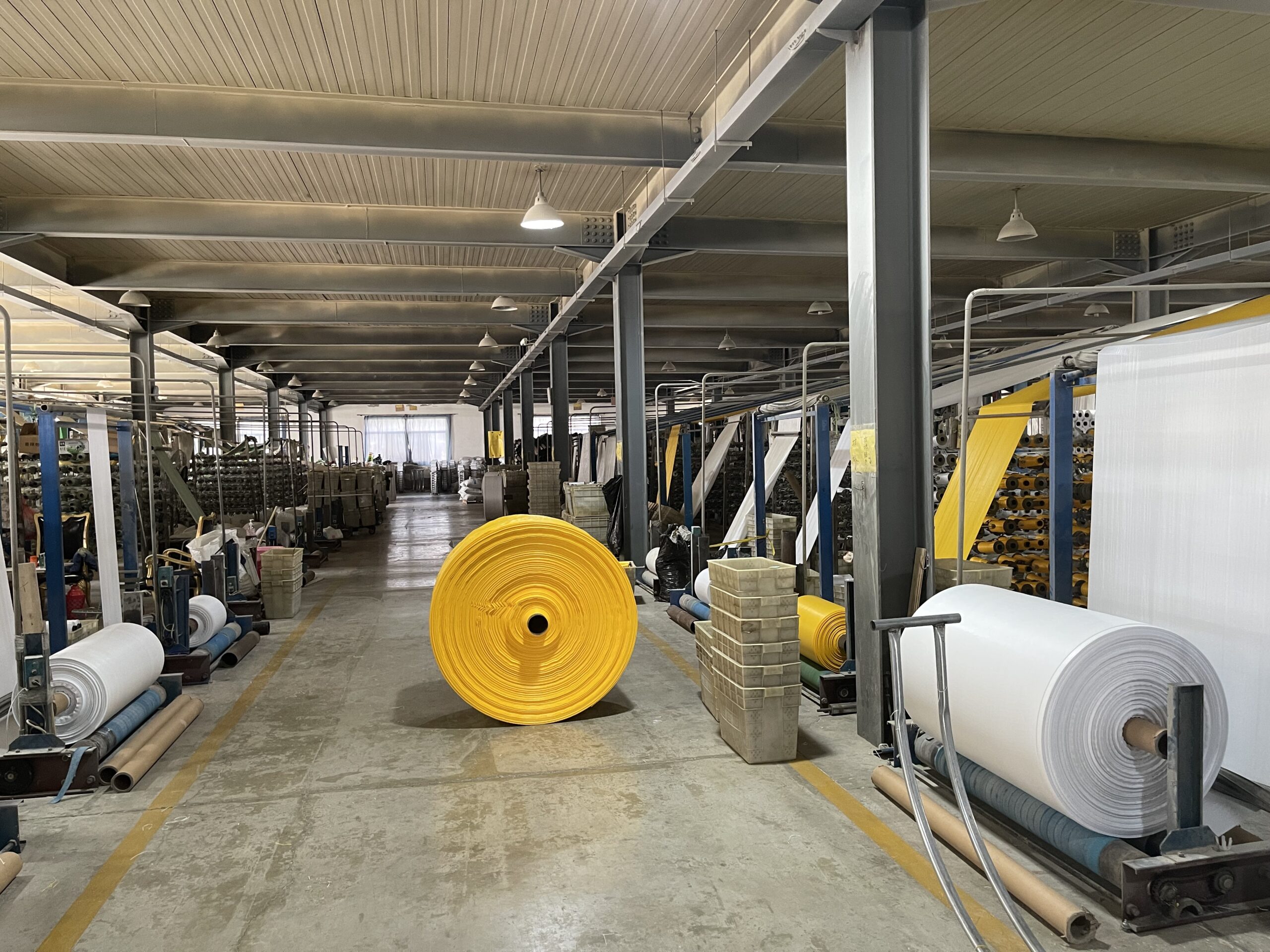
BOPP Laminated Woven Sacks vs Valve Bags: Cost & Speed Comparison
BOPP Laminated Woven Sacks vs Valve Bags: Cost & Speed Comparison
Key Takeaways
- Evaluating Bag Construction for Aqua Feed Production: At JTF PACK, we assess BOPP laminated woven sacks vs valve bags for aqua feed by examining structural needs and speed.
- Production Speed and Automated Filling Compatibility: We engineer our BOPP laminated woven sacks specifically for high-throughput environments, supporting capacities from 5 to 50 kg per unit.
- Total Cost Analysis: Material, Storage, and Handling: When evaluating BOPP laminated woven sacks vs valve bags, material procurement and production overheads drive initial cost differentials.
- Moisture Protection and Product Shelf Life in Aqua Feed: In our comparative assessment of BOPP laminated woven sacks vs valve bags for aqua feed applications, we emphasize the moisture barrier capabilities that preserve product integrity.
- Custom Branding and Market Differentiation Options: In the comparison of BOPP laminated woven sacks vs valve bags, our analysis highlights woven structures for superior print fidelity.
Evaluating Bag Construction for Aqua Feed Production
At JTF PACK, we assess BOPP laminated woven sacks vs valve bags for aqua feed by examining structural needs and speed. Material construction dictates fill rates, protection, and handling durability during mass production. JTFPACK manufactures bopp laminated woven sacks vs valve bags from its base in Tianjin, China, under ISO 9001 quality management.
Structural Integrity of Woven Sacks
PP woven fabric delivers high tensile strength for dense fish and pet food. BOPP lamination creates a moisture-proof layer that reinforces grip and prevents tear propagation. We ensure consistent wall thickness across 5kg to 50kg ranges to stabilize fill weights in automated filling lines.
Performance benefits include:
- PP woven fabric provides high tensile strength for dense fish and pet food formulations.
- BOPP lamination adds a protective film layer that reinforces grip and prevents tear propagation.
Compliance with ISO 9001 and verification via ASTM test methods guarantee quality. Woven sacks offer superior closure reliability compared to valve alternatives, supporting rapid automation.
Valve Bag Formation Limits
Valve bag formation limits become apparent during high-volume runs. Paper or synthetic necks restrict flow, preventing the rapid discharge achievable with open-mouth designs. Valve channels pose bridging risks with dense feeds, reducing fill rates below optimal targets.
Bridging causes fill variance and stoppages. Woven constructions with flat bottoms accommodate heavier aqua diets efficiently. Our pinch bottom architecture uses heat-welded seals: the pre-formed T-shape step-cut top fold passes through a pinch sealer, melting plies into a permanent seamless bond free of adhesives. Interlocking steps produce a squared-off bottom driven by closure mechanics, not stacking. See our 25kg 50kg empty Fertilizer bags BOPP Pinch Bottom for examples of this high-efficiency design.
Production Speed and Automated Filling Compatibility
High-Speed Fill Line Integration
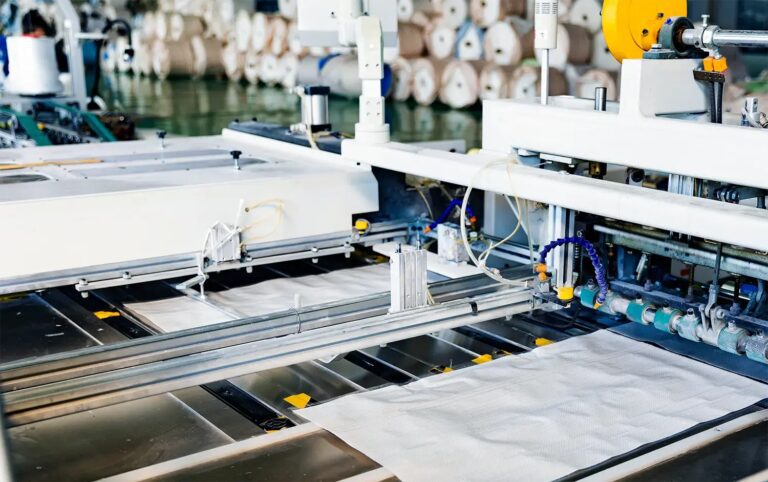
We engineer our BOPP laminated woven sacks specifically for high-throughput environments, supporting capacities from 5 to 50 kg per unit. Unlike rigid valve configurations, both pinch bottom and flat woven sack designs interface directly with automated vibratory and auger filling systems without requiring structural retrofitting. The pre-formed T-shaped step-cut top fold creates a precise geometric profile that aligns consistently with conveyor star wheels and mechanical grippers. During rapid vertical lifting, this engineered top fold ensures reliable gripper engagement, maintaining positional stability across continuous cycles. Once positioned at the filling station, the automated liner system guides bulk material into the moisture-proof PP woven interior while the outer BOPP lamination remains intact for print registration and barrier performance.
For applications requiring consistent flow dynamics, our BOPP Pinch Bottom Bags Fertilizer Bag Design 50lb configuration demonstrates how optimized mouth geometry reduces product bridging and improves volumetric accuracy during automatic dosing. Within our ISO 9001 certified production framework, we validate these filler interactions using standardized ASTM D751 testing protocols that correlate woven tensile behavior with real-world machine kinematics.
Valve Bag Machine Adjustments
Valve bag filling architectures operate on fundamentally different principles, which inherently limits their integration speed. The cylindrical valve nozzle requires precise angular alignment before insertion, and misalignment frequently triggers sensor rejection or mechanical jamming. To mitigate spillage and internal powder compaction, operators must deliberately reduce conveyor velocities and implement staggered indexing pauses. These necessary adjustments increase average cycle duration and introduce variable throughput, particularly when handling abrasive granules or hygroscopic formulations. While valve mechanisms excel in certain pneumatic filling contexts, they demand continuous machine tuning to maintain seal integrity and prevent bridging at the fill port.
Our technical evaluations show that replacing valve-dependent systems with open-mouth woven alternatives—such as those documented in our Pinch Bottom Bags category—eliminates nozzle recalibration entirely while preserving material flow consistency across diverse bulk commodities.
Downtime Reduction Strategies
Maintenance overhead represents a critical bottleneck in traditional bagging operations, but modern pinch bottom geometries simplify both changeover sequences and routine cleaning protocols. We structure streamlined auto-feeder paths that allow operators to swap roll formats or adjust tension settings without halting primary machinery. Because the closure mechanism relies exclusively on thermal sealing rather than supplemental adhesives, the pinch sealer simply folds the stepped top edges and applies controlled heat that melts the laminated plies into a permanent seamless weld. This process eliminates consumable components and prevents seal failures caused by adhesive degradation under high humidity. The resulting T-fold expansion, combined with the pinch weld, naturally forms a stable, squared-off bottom after filling, creating a secure footprint for downstream strapping and palletizing. Key operational advantages include:
- Reduced cycle times through uninterrupted vertical bag advancement
- Minimized operator intervention via closed-loop tension control
- Faster changeovers between 5–50 kg SKUs without mechanical recalibration
When paired with synchronized vision inspection stations, these integrated automation pathways consistently lower unplanned stoppages and extend overall equipment effectiveness across multi-shift operations.
Total Cost Analysis: Material, Storage, and Handling
Raw Material and Manufacturing Expenses
When evaluating BOPP laminated woven sacks vs valve bags, material procurement and production overheads drive initial cost differentials. Our facility converts standardized PP+PE woven roll stock coated with optical-grade BOPP lamination into finished containers, minimizing raw polymer waste. Flat-packed woven sacks significantly reduce warehouse footprint compared to preformed valve bags, enabling denser reel storage that conserves valuable square footage. Bulk ordering tiers and standardized roll stock allow predictable budget forecasting for large facilities operating automated filling stations across the 5-50kg capacity spectrum. This streamlined conversion process operates under strict ISO 9001 quality management protocols, guaranteeing consistent laminate adhesion and dimensional tolerance without escalating unit costs.
Palletization Efficiency
Storage density directly impacts dock turnaround time and freight economics. Compact roll configurations stack uniformly, allowing operators to achieve higher pallet density that inherently lowers freight charges per ton. During high-speed production, each container advances through integrated equipment where closure timing dictates line velocity. The sealed base relies on a thermal weld process: after product discharge, the pre-formed T-shape step-cut top fold enters the pinch sealer, folds over itself, and heat permanently bonds the laminated plies into a seamless closure. This mechanical fusion eliminates costly adhesive consumables and accelerates pack cycles while maintaining leak resistance.
Supply Chain Logistics
Distribution routing determines long-term margin protection. Moisture-proof performance reduces spoilage-related losses, safeguarding hygroscopic goods during transit through coastal or tropical corridors. The following matrix illustrates how our woven configurations optimize operational metrics compared to rigid alternatives:
| Parameter | BOPP Woven Sacks | Traditional Valve Bags |
|---|---|---|
| Warehouse Footprint | Minimal (flat-packed reels) | High (rigid preformed tubes) |
| Freight Cost/Ton | Reduced via higher pallet density | Elevated due to void space |
| Closure Method | Thermal pinch weld (no adhesives) | Valve insertion or glue seals |
| Spoilage Mitigation | Barriers block humidity ingress | Vulnerable to micro-tears |
The resulting rectangular profile forms automatically as the stepped top fold expands into a flat-bottomed shape upon filling, providing inherent stability without requiring external corner boards. Optimized lane planning and synchronized truck loading further amplify these savings, particularly for multinational commodity distributors. By engineering out rigid valve structures, we deliver a scalable packaging architecture that compresses total landed costs while preserving product integrity across global supply chains.
Moisture Protection and Product Shelf Life in Aqua Feed
Humidity Barriers in Fish and Pet Food Applications
In our comparative assessment of BOPP laminated woven sacks vs valve bags for aqua feed applications, we emphasize the moisture barrier capabilities that preserve product integrity. Fish and pet foods are highly hygroscopic; exposure to ambient humidity can trigger rapid caking and nutrient leaching. We utilize oriented polypropylene coatings to create a continuous thermal seal that blocks external humidity and vapor transmission. Our technical evaluation demonstrates that BOPP laminated structures significantly reduce water vapor transmission rates compared to uncoated woven alternatives, ensuring long-term storage stability. Operators relying on BOPP Laminated Bags benefit from a homogeneous surface that enhances print adhesion while delivering exceptional weather resistance during containerized shipping.
Condensation Management
Condensation management requires precision in closure engineering to prevent micro-leaks that compromise bulk consistency. In contrast to valve bags, which depend on air evacuation mechanisms, pinch bottom designs provide structural rigidity when subjected to vertical stacking loads. We implement T-shape sealing and PBOM configurations to lock closure integrity throughout transit and stacking. During production, the pre-formed T-shape step-cut top fold is positioned within the pinch sealer; the sealer folds the stepped edges and applies heat to melt the laminated plies into a permanent seamless weld. This direct heat-welding process permanently fuses the laminated plies together through applied thermal energy, creating a seamless, completely adhesive-free closure that ensures reliable moisture resistance. By preventing seal failure, we ensure clumping prevention maintains free-flowing properties for granular fertilizer and compound animal feeds. Operators selecting pinch bottom bag technology gain access to enhanced closure security that sustains product flow dynamics.
Packaging Weight Range Optimization
Packaging weight range optimization facilitates integration with automated filling lines while maximizing logistical efficiency. We manufacture solutions compatible with standard fill volumes between 5kg and 50kg, allowing for tailored palletization strategies that reduce unit costs per metric ton. The barrier reliability of BOPP laminated woven sacks vs valve bags becomes evident in sustained performance; consistent barrier performance supports stable nutritional delivery across varied global shipping conditions. Every batch undergoes verification aligned with ISO 9001 quality management principles to guarantee dimensional accuracy and seal strength. Furthermore, we validate moisture protection metrics referencing ASTM D3985 for water vapor transmission testing, providing quantitative data that assures importers of consistent product preservation while minimizing reject rates on high-speed filling operations.
Custom Branding and Market Differentiation Options
In the comparison of BOPP laminated woven sacks vs valve bags, our analysis highlights woven structures for superior print fidelity. PP woven substrates with BOPP lamination enable high-definition graphics across bag capacities from 5 to 50kg. A moisture-proof laminated film accepts multi-color imagery, offering branding advantages over valve bags where surface uniformity may vary.
Flexographic Printing Capabilities
Multi-color rotogravure and flexographic processes achieve precise logo registration and batch coding on woven surfaces. Ample flat panels accommodate regulatory statements, feeding guidelines, and QR verification links. Expanded woven displays allow comprehensive messaging, reinforcing brand trust through transparent information and professional visuals.
Color Fastness and Abrasion Resistance
The BOPP lamination shields printed media from mechanical stress, resisting scuffing during automated filling and conveyor transport. Compliance with ISO 9001 quality management ensures consistent color fastness. Tests confirm laminated finishes retain abrasion resistance above industry benchmarks, preserving retail appearance during supply chain handling.
Tailored Closure Solutions
We provide tailored closures for diverse distribution needs. Pinch Bottom Bags demonstrate sealed design benefits, including customized cut depths and valve alternatives. Pinch bottom designs use a thermal weld mechanism: a pinch sealer folds stepped edges to melt laminated plies into a seamless, permanent closure. Never sealed with external adhesives, the pre-formed T-shape step-cut top fold is precisely heat-welded to melt the laminated plies into a seamless, permanent weld that guarantees a tamper-evident seal optimized for continuous branding.
Frequently Asked Questions
How does BOPP lamination improve moisture resistance compared to standard valve bags?
BOPP lamination on our PP woven substrates creates a continuous, moisture-proof barrier that shields contents from humidity and water ingress. Unlike standard valve bags, which may suffer from porous structures or adhesive failure, our heat-welded pinch-bottom technology forms a seamless thermal seal. This construction prevents dust leakage while delivering superior protection against moisture damage, essential for preserving aqua feed and mineral fertilizer quality during storage.
Which bag type supports higher automatic fill speeds for aqua feed production?
Flat BOPP laminated woven sacks offer superior compatibility with high-speed VFFS systems and multihead weighers, enabling significantly faster throughput than valve configurations. Our sacks handle precise automated filling across 5kg to 50kg capacities without jamming. Valve bags frequently necessitate slower mechanical feeding or manual intervention due to preformed structures, creating bottlenecks. We optimize woven layouts to maintain tension and orientation integrity during rapid packaging cycles.
Can pinch bottom bags handle heavy mineral fertilizers alongside animal feed?
Yes, our pinch bottom bags excel in handling dense loads like mineral fertilizers alongside aqua feed applications. Constructed from durable PP woven material with BOPP lamination, they provide robust puncture resistance for sharp-edged granules. The thermal weld process folds stepped edges into a permanent seamless joint using a pinch sealer, eliminating weak points associated with tape or adhesives. This design reliably contains weights within the 5kg to 50kg range.
What are the pallet density advantages of flat BOPP woven sacks versus preformed valve bags?
Flat BOPP woven sacks deliver exceptional pallet density by maximizing volumetric efficiency and minimizing air gaps between stacked units. Their uniform geometry allows tighter arrangement, often increasing load weight per pallet compared to rigid valve bags that retain internal volume and irregular shapes. This optimization reduces shipping costs and storage footprint. We design interlocking stackability features into our woven formats to ensure stable, high-density layering during transport and warehousing.
How do customization options for logo and labeling compare between woven and valve packaging?
BOPP laminated woven sacks provide expansive printing surfaces for high-resolution logos, ensuring vibrant brand visibility. The BOPP layer enhances ink durability against friction and moisture. While valve bags permit labeling, their limited printable zones and tubular geometry restrict graphic impact. We enable extensive customization on woven formats, including structured panel layouts, supporting detailed product information presentation and distinct market differentiation within our production parameters.
Contact the JTF PACK team today to discuss your packaging requirements and request samples.