-
+86-18322274823


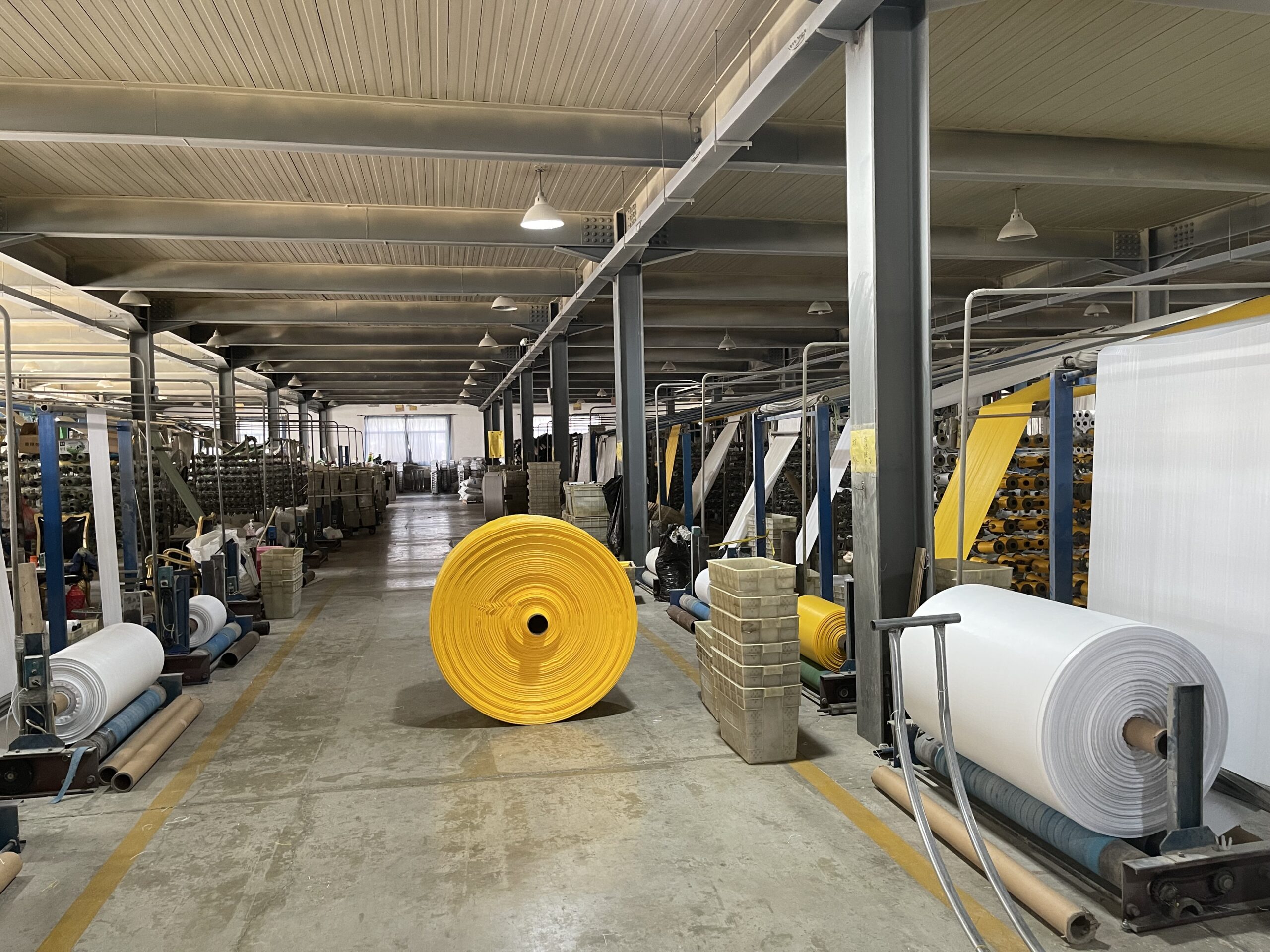
Why Does Pet Food Packaging Bags Cost Vary by 2X? It All Comes Down to Material Structure
Have you ever run into this perplexing scenario? You are looking to source a new batch of packaging bags for your pet food line, but after surveying multiple suppliers, you find that quotes for seemingly identical bags vary by more than 100%. At first glance, they look almost indistinguishable—just bags meant to hold product. How can the price gap be so massive?
The truth is, that 2x price disparity is rarely arbitrary. In the pet food industry, the core function of a packaging bag is not merely to “contain” the product, but to aggressively protect its contents. Pet kibble, wet treats, and freeze-dried products have preservation requirements that are often more stringent than human snacks. They demand absolute moisture resistance, oxidation prevention, light shielding, and extreme durability during long-distance transit—all while remaining entirely odorless and chemical-free.
When the material composition falls short, a budget bag might look acceptable on day one, but it inevitably fails in the field. Let’s break down the hidden cost drivers that separate cheap packaging from premium, high-performance solutions like BOPP Pinch Bottom Bags.
1. Raw Material Integrity: Virgin Food-Grade vs. Recycled Blends
The most easily overlooked factor is the origin of the plastic resins. To drive down manufacturing costs, some low-tier factories incorporate recycled plastics or substandard compound fillers into their film layers. While these bags look normal fresh off the machine, they break down rapidly over time, becoming brittle and emitting a distinct chemical odor. More alarmingly, harmful volatile residues from recycled materials can migrate into the pet food, threatening animal health.
In contrast, reputable tier-one manufacturers like JiaTaiFeng Pack (JTF PACK) enforce strict quality control, utilizing 100% virgin, FDA-compliant food-grade raw materials. This ensures zero odor transfer, absolute structural stability, and full compliance with international food safety standards. The price premium for virgin resins is a direct reflection of chemical safety and peace of mind.
2. Barrier Properties: The Invisible Shield Against Spoilage
Pet foods are exceptionally rich in fats, proteins, and oils, making them highly vulnerable to rancidity when exposed to oxygen and moisture. Low-cost bags typically rely on a single thin layer of metalized film (VMPET) or standard monolayer plastics with high oxygen transmission rates (OTR) and water vapor transmission rates (WVTR). Within weeks, the kibble inside absorbs humidity, loses its crunch, and undergoes lipid oxidation, leading to foul smells and mold.
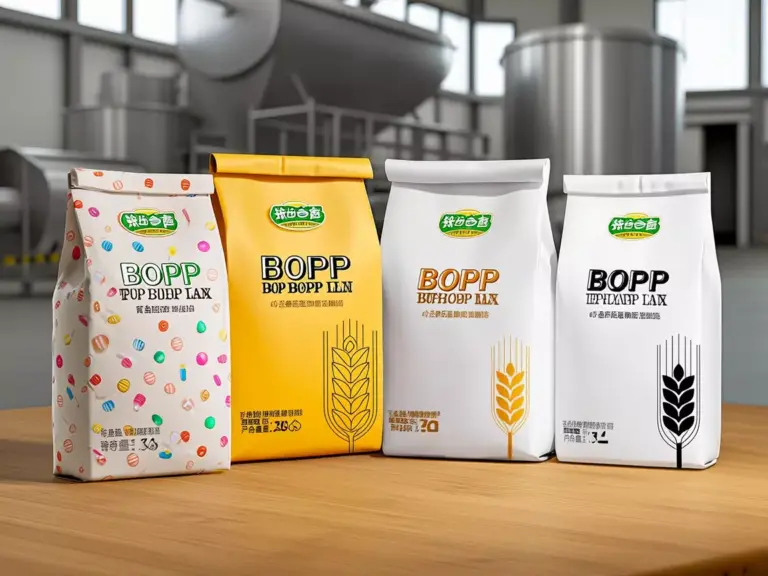
Professional-grade pet food bags employ sophisticated multi-layer composite structures, such as PET/AL/PE or NY/AL/PE, incorporating genuine aluminum foil or high-barrier EVOH coatings to completely block out external molecules. For heavy-duty distribution, the gold standard has shifted toward BOPP Laminated Woven Pinch Bottom Bags. By fusing Biaxially Oriented Polypropylene (BOPP) film with high-tensile woven fabrics, these bags provide an impenetrable barrier against moisture and grease migration while maintaining a lightweight profile.
3. Sealing Engineering and Structural Integrity
A bag is only as reliable as its weakest seam. Economy bags are usually processed via basic, high-speed thermal bars that create a superficial seal. When subjected to the physical stresses of pallet stack pressures or accidental drops from retail shelves, these seals rupture instantly, causing messy product spillage and exposure to pests.
Advanced manufacturing facilities leverage precision-controlled heat-sealing matrixes where temperature, dwell time, and cooling pressures are digitally calibrated. Furthermore, our specialized BOPP Pinch Bottom Bags eliminate traditional bottom sewing lines entirely. Instead, they utilize a hot-melt adhesive step-closure system that reinforces the bottom seal, making it virtually burst-proof under extreme impact while maximizing the bag’s internal volume utilization.
4. Print Quality and Brand Presentation
The visual appeal of your packaging serves as your silent salesperson on retail shelves. Cheap bags save costs by using inferior inks and low-resolution printing plates, which result in blurry graphics and prone-to-scratch surfaces. During shipping friction, your brand logo, ingredient lists, and barcodes can easily smudge or rub off entirely.
Top-tier factories like JTF PACK deploy advanced high-speed rotogravure or flexographic printing presses paired with eco-friendly, fade-resistant inks. This guarantees vivid, photo-realistic imagery, precise color matching, and an outer gloss or matte finish that resists abrasion throughout the entire logistics lifecycle.
5. True Factory Customization and Scale Economy
Generic packaging brokers often limit you to standard sizes and shapes, charging exorbitant premiums if you request functional modifications. Working directly with a fully integrated source factory allows you to unlock bespoke configurations designed around your specific product line—whether you require integrated resealable sliders, laser tear notches, or custom side gussets for enhanced shelf presence.
As a dedicated manufacturer specializing in high-end packaging solutions, JTF PACK provides a seamless, one-stop service encompassing film blowing, plate making, multi-color printing, and specialized pouch converting. By keeping the entire production value chain in-house, we eliminate third-party markups, passing the structural savings directly to you without compromising on raw material caliber.
How to Verify Quality Before Placing a Bulk Order
If you are currently evaluating packaging quotes, don’t base your decision solely on digital mockups or spreadsheets. Request physical production samples and run three simple, destructive tests:
- The Odor Test: Open the sample bag and smell the interior. Any sharp or chemical odor indicates the presence of industrial solvents or recycled compounds.
- The Stress Test: Manually tug outward on the seals and seams with force, or perform a manual drop test with weighted fillers to see if the seams hold.
- The Friction Test: Use a firm thumb scratch or an alcohol wipe across the printed surface to check ink adhesion stability.
Choosing premium material structures like our engineered BOPP Pinch Bottom Bags ensures that your pet food remains as fresh and nutritious on the day it is opened as it was the day it was packed. Protect your product, preserve your flavor, and elevate your brand recognition with packaging that is built to endure.