-
+86-18322274823


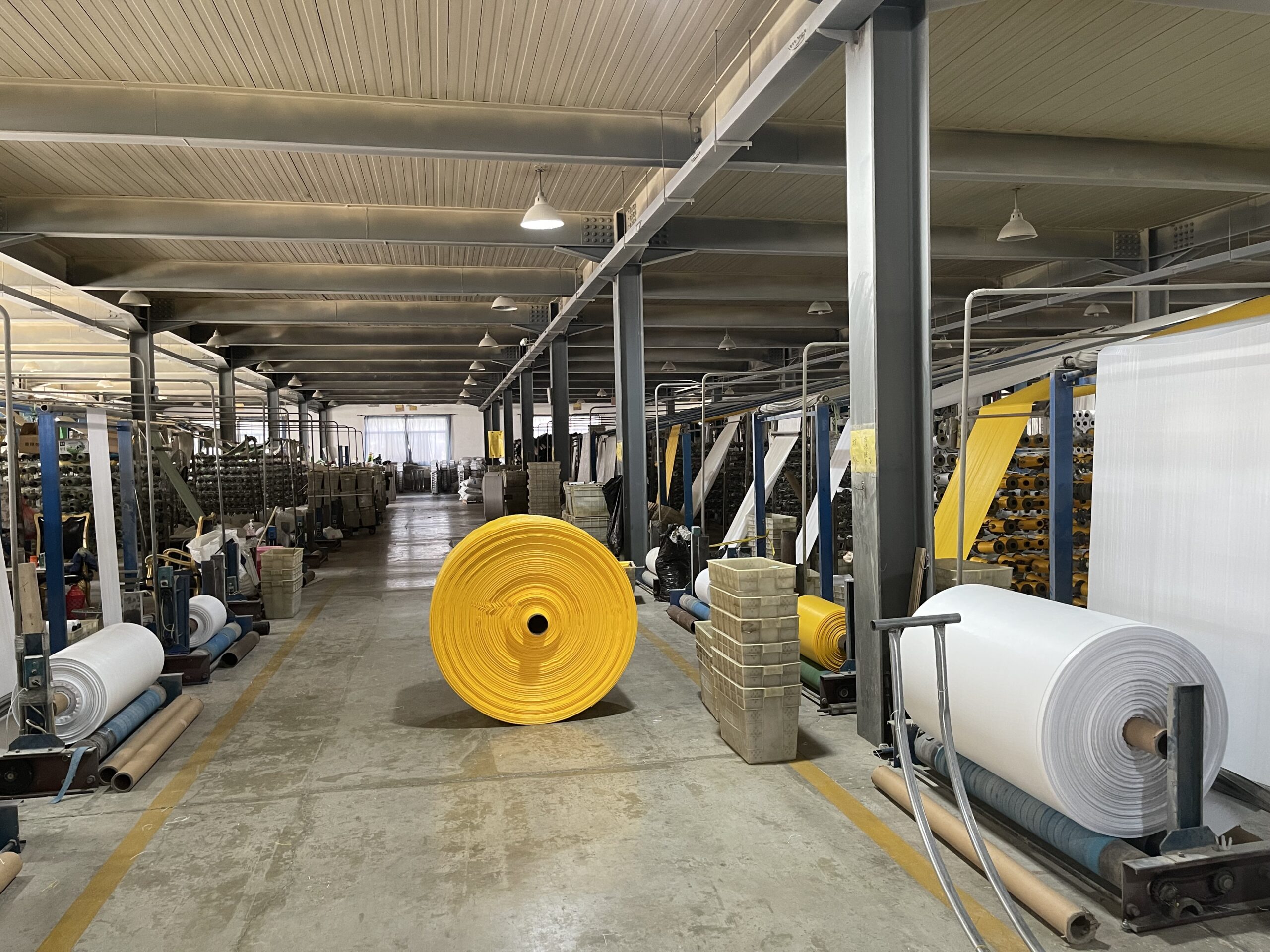
BOPP Laminated PP Woven Bags: The Packaging Standard for Fertilizer, Animal Feed, and Pet Food
Agricultural commodities and pet food products face a common enemy long before they reach the end user: inadequate packaging. Moisture seeps through porous sacks. UV radiation degrades bag integrity during outdoor storage. Brand messaging fades under warehouse lighting. And poorly constructed closures spill valuable product during transport. These are not minor inconveniences — they translate directly into revenue loss, rejected shipments, and eroded customer trust.
Over the past decade, BOPP laminated PP woven bags have emerged as the dominant packaging solution across fertilizer manufacturing, animal feed production, and premium pet food distribution. The combination of polypropylene woven fabric with Biaxially Oriented Polypropylene (BOPP) film lamination delivers a level of protection, print quality, and structural durability that standard woven sacks simply cannot match.
This guide breaks down exactly why laminated woven sacks are replacing conventional packaging in three critical industries — and how pinch bottom bags represent the next evolution in bulk product protection.
What Are BOPP Laminated PP Woven Bags?
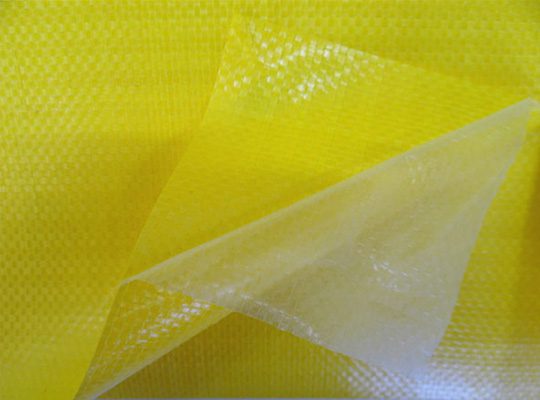
At their core, BOPP laminated PP woven bags consist of two engineered layers. The base is a woven polypropylene (PP) fabric — interlaced polypropylene tapes that create a strong, flexible textile structure. This woven layer provides the bag’s load-bearing capacity and tear resistance. The outer layer is a BOPP film, manufactured through a biaxial orientation process that stretches polypropylene film in both machine and transverse directions. This dual stretching aligns polymer chains, dramatically increasing tensile strength, clarity, and barrier performance.
When laminated together via heat or adhesive bonding, the result is a packaging material that retains the woven fabric’s mechanical strength while gaining a smooth, printable, moisture-resistant surface.
Key Material Properties
- Durability under load: Woven PP handles weights from 5kg to 100kg without seam failure
- Moisture and humidity barrier: BOPP film significantly reduces water vapor transmission compared to uncoated woven fabric
- UV stabilization: Additives in both layers extend outdoor storage life without embrittlement
- High-resolution custom printing: BOPP surfaces accept up to eight-color flexographic or gravure printing for photorealistic branding
- Chemical compatibility: Resistant to alkalis, acids, and salts common in agricultural formulations
The Pinch Bottom Advantage
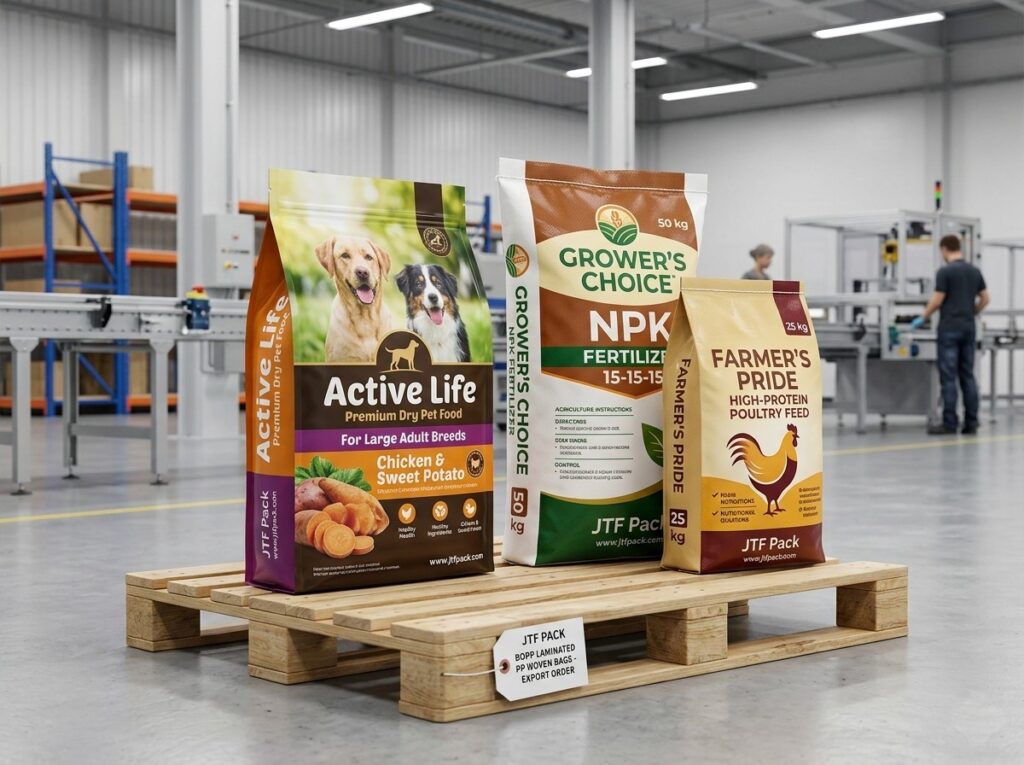
Within the BOPP laminated bags category, pinch bottom bags represent a specialized construction. Rather than a conventional sewn or hemmed closure, pinch bottom bags feature a folded and glued bottom seam that creates a flat, stable base. This design allows the bag to stand upright on pallets, reduces dust leakage, and provides a cleaner overall appearance — particularly valuable for retail-facing products and automated filling lines.
Buyers sometimes ask how standard PP woven bags differ from BOPP laminated versions. Standard PP woven bags are uncoated or lightly coated, offering basic protection at lower cost. BOPP laminated bags add the printed film layer for superior branding, moisture resistance, and product protection. The upgrade is not merely cosmetic — it is a functional investment in product integrity.
Why BOPP Laminated PP Woven Bags Outperform Standard Packaging
Switching from uncoated woven sacks to laminated woven sacks is not a lateral move. It is a measurable upgrade across five critical performance dimensions.
1. Superior moisture and humidity barrier
Fertilizer compounds, feed pellets, and dry pet food all share a vulnerability to moisture ingress. Even modest humidity causes clumping, nutrient degradation, and mold initiation. The BOPP lamination layer reduces water vapor permeability by 60–80% compared to standard woven fabric, keeping contents dry through transit and storage cycles.
2. High-impact custom printing for brand visibility
In crowded agricultural supply chains and retail pet food aisles, packaging is often the only marketing touchpoint. BOPP film surfaces support vibrant, high-resolution graphics — logos, product specifications, handling instructions, and regulatory markings — that remain legible after months of handling. This is a decisive advantage over uncoated woven sacks, where printing quality degrades rapidly.
3. Exceptional tear and puncture resistance
The woven PP substrate distributes mechanical stress across its interlaced structure. Combined with BOPP lamination, the composite material resists puncture from sharp fertilizer granules, feed pellets, or handling equipment. Drop tests consistently show that BOPP laminated PP woven bags withstand rougher treatment than paper or standard PE alternatives.
4. UV stabilization for outdoor storage
Many agricultural products sit in open yards or distribution hubs before final delivery. UV-stabilized BOPP film prevents photodegradation of both the packaging and printed branding, extending shelf life in exposed conditions.
5. Cost-effectiveness at scale
Despite their advanced construction, BOPP laminated bags remain competitively priced in bulk orders. Their light weight reduces freight costs compared to paper or multi-wall alternatives. Combined with lower product loss rates and reduced repackaging incidents, the total cost of ownership frequently undercuts “cheaper” options.
Application 1 — Fertilizer Packaging
Fertilizer manufacturing presents some of the most demanding conditions in bulk packaging. Urea granules are hygroscopic and prone to caking. NPK compounds generate dust and can be mildly corrosive. Compound fertilizers vary in granule hardness and bulk density. And products routinely travel from humid production facilities to arid outdoor storage yards — sometimes across international shipping corridors lasting weeks.
BOPP woven fertilizer sacks are engineered for exactly these challenges.
Moisture Protection for Hygroscopic Compounds
Urea and ammonium nitrate absorb atmospheric moisture aggressively. Once caking begins, the product becomes difficult to spread and, in severe cases, unusable. The moisture barrier in fertilizer PP woven laminated bags slows this process dramatically, preserving free-flowing granule structure through the distribution chain.
Weight Capacities Across Formulations
JTF Pack manufactures BOPP laminated bags in standard agricultural capacities:
- 20kg fertilizer bags — ideal for specialty blends, home garden products, and export markets with manual handling requirements
- 25kg fertilizer bags — widely used for compound and micronutrient fertilizers in Southeast Asia and Latin America
- 50kg fertilizer bags — the global standard for bulk urea, NPK, and DAP distribution
- BOPP woven seed sacks — also used for coated and treated seeds requiring the same moisture and UV protection as fertilizer compounds
NPK and Compound Fertilizer Compatibility
Multi-nutrient fertilizers often contain reactive salts. The chemical inertness of polypropylene ensures that NPK BOPP woven bags and fertilizer pp woven bags do not degrade or react with contents over typical storage durations. Unlike paper or biodegradable alternatives, PP woven laminated bags do not weaken when exposed to residual fertilizer dust or slight moisture contact.
UV Resistance for Outdoor Staging
Fertilizer shipments frequently await customs clearance or seasonal distribution in uncovered yards. UV-stabilized BOPP bags for fertilizer packaging maintain structural integrity and printed legibility through prolonged sun exposure — a critical consideration for exporters targeting tropical or subtropical markets.
Application 2 — Animal Feed Packaging
Animal feed presents a different set of packaging demands. Freshness retention, mold prevention, and pest exclusion are paramount. Feed bags must also stack efficiently on pallets and withstand compression during containerized shipping. Whether the product is poultry layer mash, cattle concentrate, or aquaculture feed, the packaging must protect nutritional value from factory floor to farm trough.
BOPP woven animal feed bags meet these requirements with precision.
Moisture and Mold Prevention
Feed ingredients — soy meal, corn, wheat middlings, fish meal — are highly susceptible to mold once moisture penetrates packaging. The BOPP film layer in animal feed PP woven bags and animal feed PP woven sacks constructions creates an effective vapor barrier, while the woven structure allows minimal breathability that prevents condensation buildup inside the sack.
Feed-Specific Size and Print Requirements
Feed packaging spans a wide capacity range depending on species and distribution channel:
- Poultry and cattle feeds commonly ship in 25kg and 50kg feed bags with feed-specific printing
- Aquaculture operations increasingly specify 50 kg fish feed bags for pond and tank management efficiency
- Specialty feeds — calf starter, breeder ration, medicated formulations — often use 20kg-capacity bags for precise dosing and inventory control
Brand Differentiation Through Custom Printed Feed Bags
The feed industry is competitive. Buyers at feed mills and cooperatives see dozens of brands simultaneously. High-quality custom-printed feed bags with bold color schemes, product claims, and nutritional specifications drive shelf preference and downstream loyalty. BOPP lamination makes this level of print fidelity achievable at bulk manufacturing scale.
Stackability and Transport Efficiency
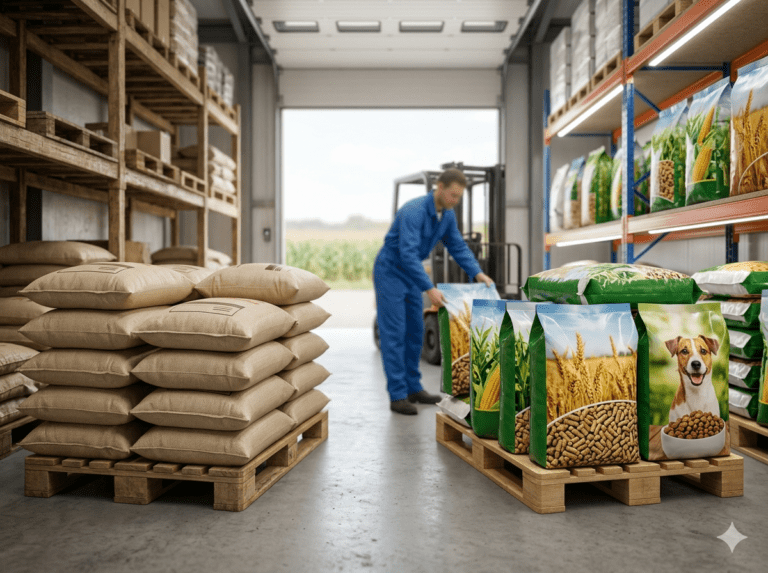
Animal feed packaging bags loaded with dense pellets create significant bottom-layer pressure in stacked pallets. The woven PP structure distributes this load without deformation, while BOPP lamination prevents surface abrasion that would damage branding on lower-layer bags. For exporters shipping feed by container, this translates to tighter packing densities and fewer damaged units on arrival.
Species Coverage
JTF Pack’s BOPP woven feed bags serve the full animal feed spectrum: poultry broiler and layer feeds, cattle and dairy concentrates, swine rations, and aquaculture diets including 50 kg fish feed bags for shrimp, tilapia, and salmon operations.
Application 3 — Pet Food Packaging
The global pet food market has undergone a premiumization shift. Consumers now expect human-grade packaging aesthetics for dry kibble, treats, and specialty diets. Yet the functional requirements remain stringent: moisture exclusion, moisture barrier properties, odor retention, and pest resistance are non-negotiable.
This creates a unique packaging challenge — pet food packaging types must balance shelf appeal with industrial-grade protection.
Why Traditional Pet Food Packaging Falls Short
Paper-based pet food sacks offer print quality but fail under moisture contact. Plain PE liners provide barrier protection but lack the structural rigidity for efficient stacking. Standard woven PP bags deliver strength but offer limited branding capability without lamination.
BOPP laminated bags bridge this gap.
Moisture, Pest, and Odor Protection
Premium pet foods often contain higher fat and protein levels than conventional feeds, making them attractive to insects and prone to rancidity. The sealed BOPP surface in laminated constructions resists moisture ingress and pest entry, while the outer film protects printed branding from scuffing and surface oil staining. For very high-fat formulations, additional internal liners or barrier layers may be recommended.
Print Quality for Retail Shelf Competition
Pet food packaging materials must communicate quality before the bag is opened. Glossy BOPP surfaces support photographic imagery, metallic effects, and fine typography that signal premium positioning. For brands competing in boutique retail or direct-to-consumer channels, this visual distinction justifies the laminated construction cost.
Weight Formats Across Market Segments
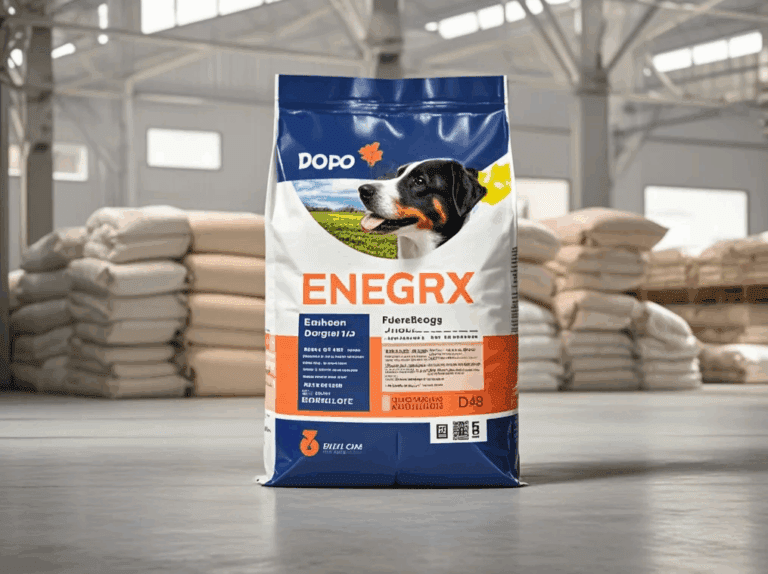
Pet food packaging spans formats from boutique 5kg retail bags to 20kg and 25kg club-store sizes. JTF Pack produces BOPP laminated bags across this range, with multi-color printing tailored to brand guidelines and regional regulatory labeling requirements.
Types of Pet Food Packaging in the Market
Current types of pet food packaging include:
- Multi-wall paper bags with PE liners (high print quality, moderate moisture protection)
- Stand-up pouches with zipper closures (retail-focused, high unit cost)
- BOPP laminated PP woven bags (bulk-focused, optimal protection-to-cost ratio)
- Plastic pails and tubs (wet food, high freight cost)
For dry kibble and treat products distributed in 10kg to 25kg units, BOPP laminated PP woven bags offer the strongest combination of protection, print capability, and per-unit economy.
BOPP Pinch Bottom Bags — The Next-Level Solution
For operations requiring the highest level of product containment and presentation, pinch bottom bags represent an engineering step forward from standard sewn closures.
How Pinch Bottom Construction Works
Rather than stitching the bag base, BOPP pinch bottom bags utilize a folded and heat-sealed or adhesive-bonded bottom seam. This creates a completely flat, stable base that supports upright positioning. The closure is continuous — no needle perforations, no thread gaps, no dust leakage paths.
Operational Advantages
- Self-standing stability: Bags stand vertically on pallets and retail shelves without support
- Cleaner sealing: Eliminates the dust leakage common around sewn seams
- Enhanced protection: The continuous bottom seal improves moisture and pest resistance at the most vulnerable bag location
- Automated filling compatibility: Flat, consistent bases align precisely with form-fill-seal and valve-filling equipment
When to Choose Pinch Bottom vs. Standard Sewn Closure
| Factor | Standard Sewn Closure | BOPP Pinch Bottom Bags |
| Cost per unit | Lower | Moderately higher |
| Dust leakage | Some | Minimal |
| Pallet stability | Requires interlocking stack | Self-standing, stable |
| Retail presentation | Functional | Premium |
| Filling automation | Compatible | Optimized |
| Best applications | Basic fertilizer, commodity feed | Premium fertilizer, pet food, retail feed |
For brands selling into retail garden centers, pet specialty stores, or premium feed markets, BOPP laminated pinch bottom bags provide a tangible upgrade in perceived quality that influences buyer preference at the point of purchase.
Why Choose JTF Pack for Your Packaging Needs?
Selecting a BOPP laminated bags manufacturer involves more than comparing unit prices. It requires confidence in material sourcing, print registration accuracy, seam strength consistency, and on-time export delivery.
JTF Pack specializes in the production and export of BOPP laminated PP woven bags and BOPP pinch bottom bags for agricultural and pet food markets worldwide. The company’s manufacturing capabilities span:
- Custom printing: Multi-color, high-resolution graphics on BOPP film with precise registration for brand-critical packaging
- Full size range: Production from 5kg retail units through 50kg and 100kg industrial sacks, including 20kg fertilizer bags, 25kg fertilizer bags, and 50kg fertilizer bags
- Closure options: Both standard sewn closures and premium pinch bottom configurations
- Export logistics: Containerized shipping experience across Southeast Asia, Africa, Latin America, the Middle East, and European markets
- Industry specialization: Deep familiarity with fertilizer compound handling, feed freshness requirements, and pet food retail presentation standards
For procurement teams evaluating pp woven laminated bags suppliers, JTF Pack offers sample programs, specification customization, and competitive bulk quotations tailored to annual volume commitments.
Ready to upgrade your product protection and brand presence? explore specifications, request samples, or initiate a custom quote for your next packaging order.
Conclusion
Packaging decisions in the fertilizer, animal feed, and pet food industries carry consequences that ripple through storage, transport, retail, and end-user satisfaction. BOPP laminated PP woven bags have earned their position as the industry standard because they solve real problems — moisture damage, UV degradation, poor brand visibility, and structural failure — without imposing prohibitive costs.
Whether the application calls for BOPP woven fertilizer sacks protecting NPK compounds through monsoon seasons, BOPP woven animal feed bags maintaining freshness across international supply chains, or premium BOPP laminated bags with retail-grade print quality for pet food brands, the technology delivers measurable returns.
For operations ready to extend product shelf life, reduce transit losses, and elevate brand perception, pinch bottom bags add a final layer of engineering refinement. The investment in better packaging pays off through fewer rejected shipments, stronger downstream relationships, and competitive positioning in increasingly quality-conscious markets.
Explore JTF Pack’s full range of BOPP laminated PP woven bags and pinch bottom solutions at JTF PACK .
Learn more about JTF Pack full capabilities as a BOPP laminated bags China factory — from raw material sourcing to final delivery.