-
+86-18322274823


Choosing the Right Sack: A Comparative Analysis of PP Woven bags, Jute sacks, and Paper Bags
In the modern landscape of packaging, the choice of material is increasingly critical, balancing operational needs with environmental responsibility. Among the multitude of options, (Polypropylene) PP woven bags, jute bags, and paper bags represent three major categories, each with distinct features, strengths, and drawbacks. Understanding the fundamental differences between these three types is essential for businesses looking to make informed, sustainable, and cost-effective packaging decisions.
1. PP Woven Bags: The Workhorse of Packaging
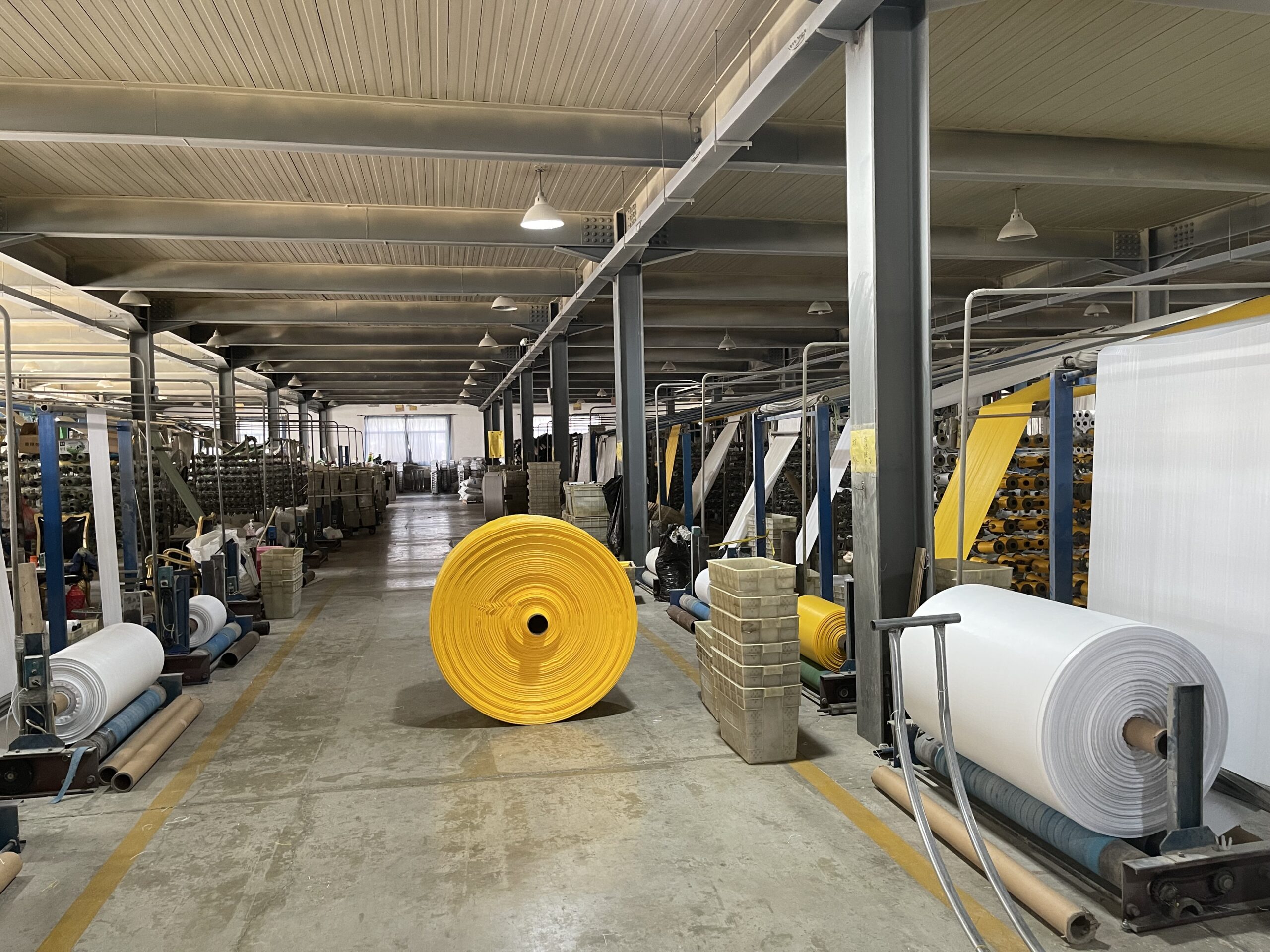
PP woven bags, made from woven polypropylene strips, are a synthetic, durable packaging solution popular across various industries, from agriculture (fertilizers, grains) to construction (cement).
Advantages:
- Exceptional Strength and Durability: Known for high tensile strength and tear resistance, PP woven bags can safely carry heavy, bulky materials and withstand rough handling, making them ideal for long-distance transport and industrial use.
- Moisture Resistance: Especially when laminated, PP woven bags offer excellent protection against moisture and humidity, preserving the quality of the contents inside.
- Cost-Effectiveness: Due to the affordability of the raw material (polypropylene) and efficient mass-production techniques, they are often the most economical choice for bulk packaging.
- Reusability and Recyclability: These bags are inherently reusable due to their longevity. Furthermore, polypropylene is a recyclable plastic, supporting a circular economy if proper recycling infrastructure is utilized.
Disadvantages:
- Non-Biodegradable: As a plastic-based product, PP woven bags do not naturally decompose, posing a long-term waste challenge if not correctly recycled.
- UV Degradation: Prolonged, direct exposure to sunlight can degrade the material, reducing its strength and lifespan.
- Production Source: The production relies on petroleum resources, which has a higher initial carbon footprint compared to natural fiber alternatives.
2. Jute Bags: The Eco-Conscious Natural Fiber
Jute bags are crafted from the natural fibers of the jute plant, often referred to as the “golden fiber.” They are primarily used for packaging agricultural commodities like coffee beans and potatoes, and increasingly as fashionable, eco-friendly shopping totes.
Advantages:
- Biodegradability and Compostability: Jute is a 100% natural, renewable resource. Discarded jute bags decompose naturally and completely within a relatively short period, enriching the soil and leaving a minimal environmental impact.
- Renewable Resource: The jute plant has a short growing cycle and requires minimal pesticides or fertilizers, making its cultivation resource-efficient.
- Breathability: The natural weave allows for excellent air circulation, which is crucial for storing perishable goods like certain agricultural products, helping to prevent spoilage and mold.
- Aesthetics: Jute offers a unique, natural, and premium look that aligns well with sustainable branding.
Disadvantages:
- Lower Durability/Moisture Sensitivity: While strong, jute fibers are prone to rotting or tearing when exposed to excessive or prolonged moisture. They are less robust than PP woven bags for heavy-duty, long-term industrial use.
- Higher Cost: Jute bags are typically more expensive than PP woven or standard paper bags, driven by the costs of sourcing natural fibers and more labor-intensive production.
- Heavier Weight: Jute bags are generally heavier than their polypropylene or paper counterparts, which can slightly increase transportation costs for bulk goods.
3. Paper Bags: The Retail Standard
Paper bags are a common packaging staple, ranging from thin retail carriers to multi-layer industrial sacks.
Advantages:
- Biodegradable and Easily Recycled: Paper is a widely accepted and established recyclable material. It biodegrades faster than plastic, making it a preferable choice for disposal.
- Positive Brand Image: They project an eco-friendly image, especially when made from recycled content.
- Printability: Paper offers an excellent, smooth surface for high-quality printing and branding.
Disadvantages:
- Low Strength and Durability: Paper bags are the least durable option, easily tearing, puncturing, or failing, especially when carrying heavy or wet items.
- Poor Moisture Resistance: They quickly lose structural integrity and fall apart when wet, limiting their use in high-humidity or outdoor applications.
- High Resource Consumption in Production: The manufacturing of virgin paper bags is energy and water-intensive, and requires cutting down trees. Studies suggest that, for single-use applications, paper bags can have a higher carbon footprint than single-use plastic bags if they are not reused multiple times.
Conclusion: Matching the Bag to the Need
The optimal packaging choice is not universal but depends heavily on the intended application, budget, and sustainability goals.
| Feature | PP Woven Bags | Jute Bags | Paper Bags |
| Primary Strength | Heavy-duty, long-lasting durability, moisture protection | 100% biodegradability, natural, breathable | High recyclability, positive eco-perception, print quality |
| Material | Polypropylene (Synthetic Polymer) | Jute (Natural Fiber) | Wood Pulp (Natural Fiber) |
| Load Capacity | Excellent (Industrial, Bulk) | Good to Moderate (Agricultural, Retail) | Poor (Lightweight Retail) |
| Moisture Resistance | High (Especially Laminated) | Low to Moderate (Prone to mold) | Low (Fails when wet) |
| Environmental Impact | Recyclable, Reusable, but non-biodegradable | Fully biodegradable, low-impact cultivation | Biodegradable, but high production-resource consumption |
| Cost (Bulk) | Lowest | Highest | Mid-Range |
For industrial and bulk-packaging that demands ultimate strength and product protection, PP woven bags are the superior choice. For businesses committed to zero-waste, natural, and fully biodegradable solutions, jute bags represent the ethical premium option. Finally, for lightweight retail, consumer convenience, and strong brand visibility with an eco-friendly appearance, paper bags remain a suitable standard, provided reusability or proper recycling is promoted.