-
+86-18322274823


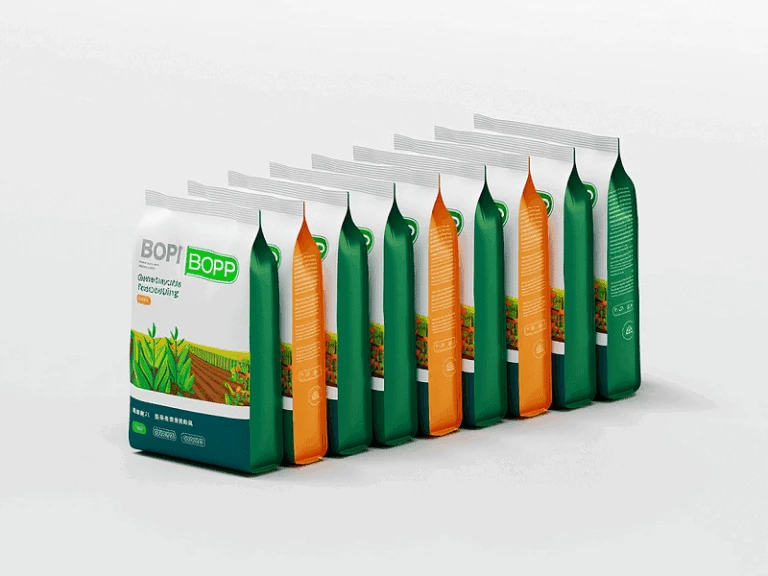
PP Woven BOPP Laminated Bags For Urea Packaging Efficiency and Sustainability
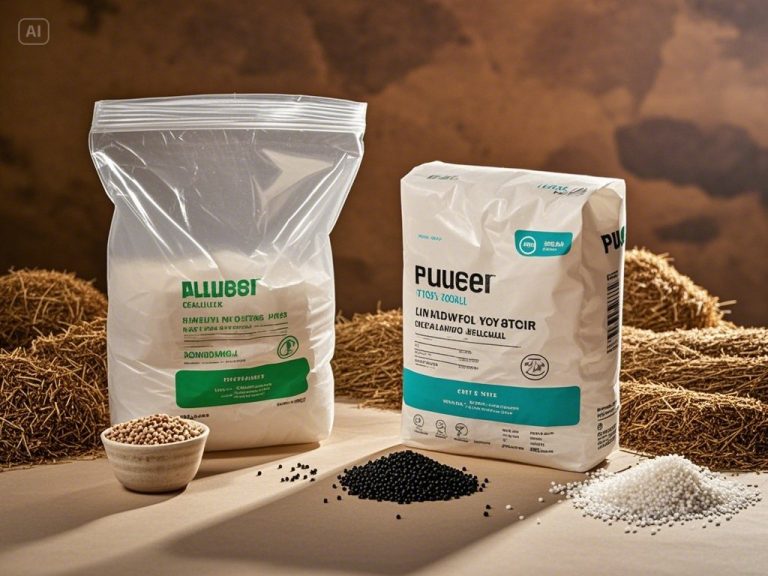
Urea, a cornerstone of modern agriculture, demands reliable packaging solutions to maintain its quality during storage and transportation. Polypropylene (PP) woven laminated bags have emerged as the preferred choice for urea packaging, combining durability, moisture resistance, and environmental sustainability. This article explores how these specialized bags address the challenges of urea handling while aligning with global agricultural and industrial needs.
What Are PP Woven BOPP Laminated Bags?
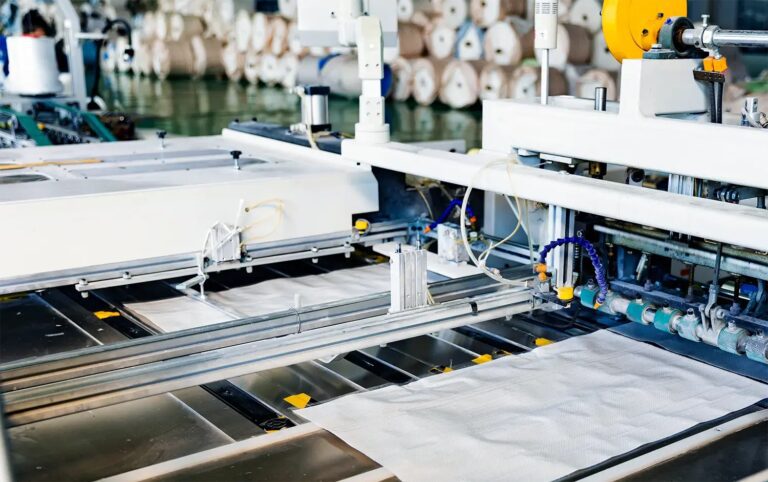
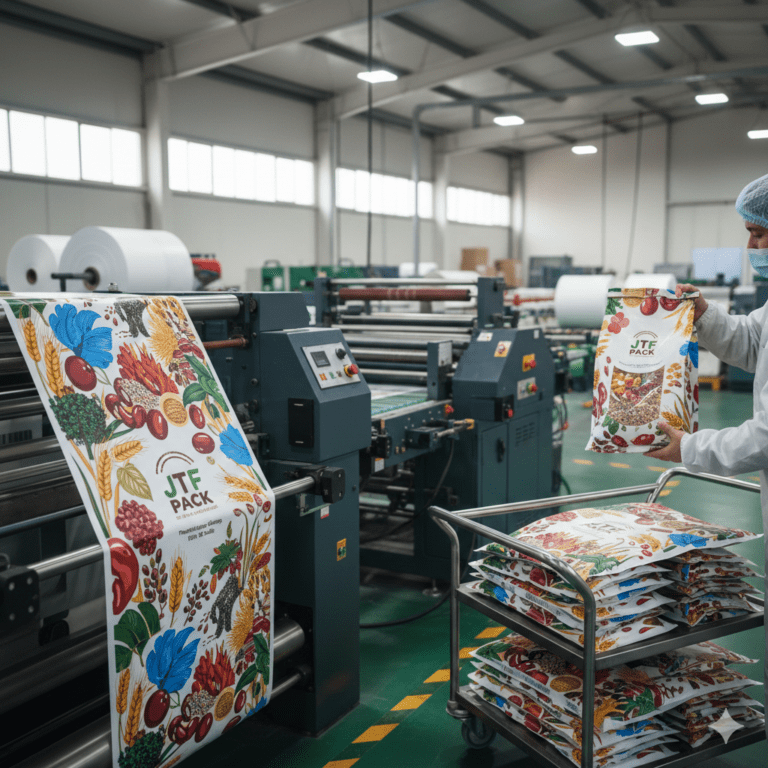
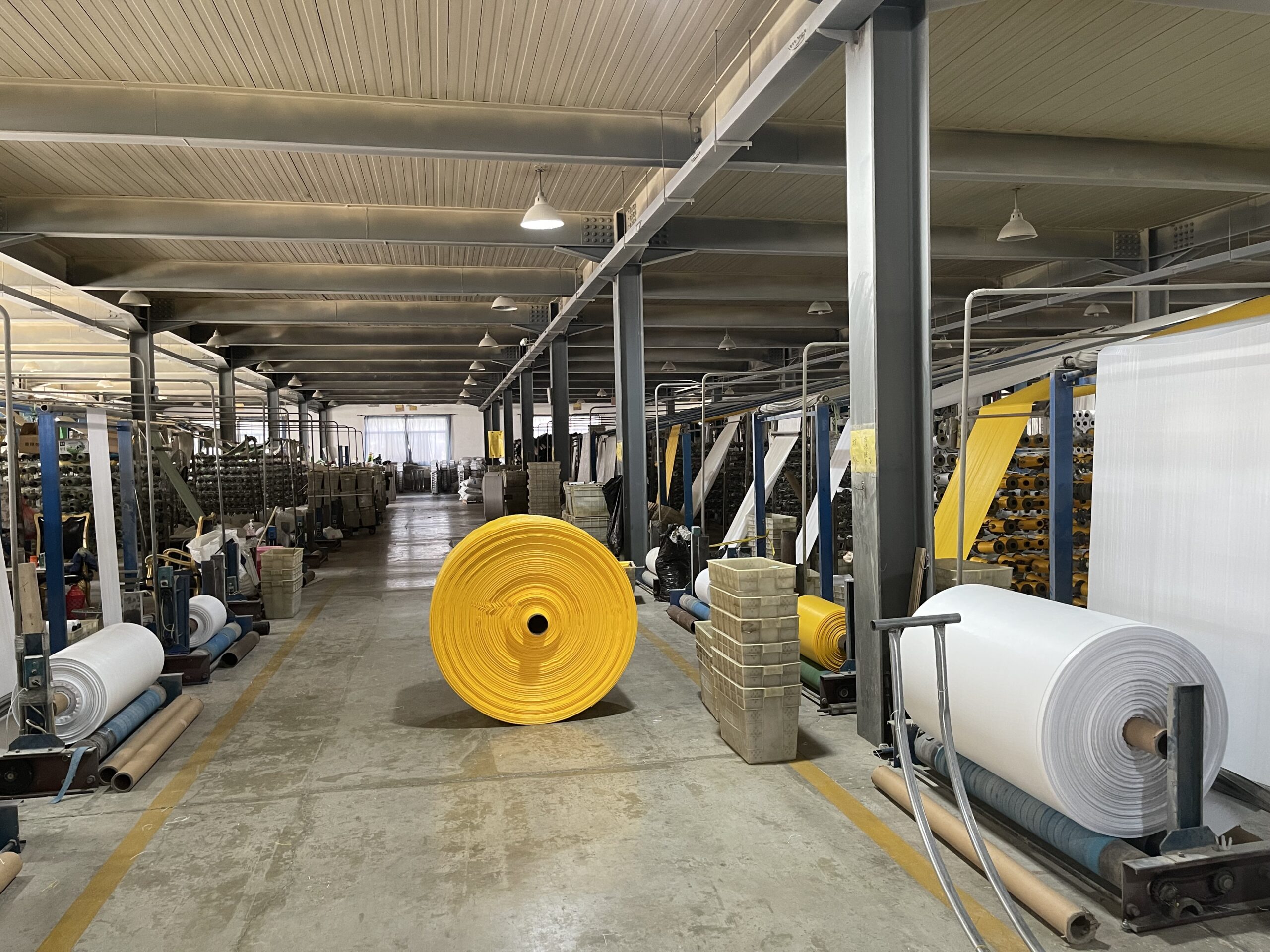
PP woven laminated bags are engineered from high-density polypropylene fibers, reinforced with a laminated coating on both inner and outer surfaces. This dual-layer design enhances structural integrity and provides a barrier against environmental factors . The lamination process often involves high-frequency bonding or BOPP (biaxially oriented polypropylene) printing, ensuring airtight protection and aesthetic branding opportunities .
Key Applications in Urea Packaging
1. Moisture and Caking Prevention
Urea’s hygroscopic nature makes it prone to moisture absorption, leading to caking and nutrient degradation. PP woven laminated bags act as a robust shield, preventing humidity ingress while maintaining the product’s granular consistency. Their waterproof properties ensure urea remains fresh even in humid climates or during prolonged storage .
2. Mechanical Strength for Transportation
Agricultural supply chains often involve long-distance logistics, where stacking pressure and rough handling pose risks. These bags withstand pressures up to 12 MPa, reducing the likelihood of tears or ruptures during transit . Their tensile strength also supports bulk packaging, with common capacities ranging from 25kg to 50kg .
3. Versatility in Design
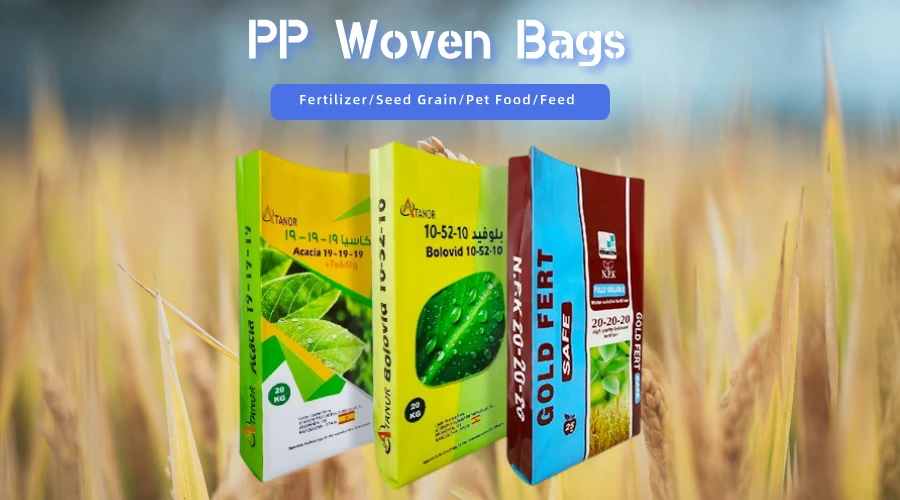
Manufacturers produce PP woven bags in diverse configurations, including open-mouth and valve styles, to suit automated filling systems or manual handling . Customizable features like UV stabilization and anti-static additives further enhance their adaptability for varied storage environments.
Advantages Over Traditional Packaging
Durability and Reusability
Unlike single-use alternatives, PP woven bags are 100% reusable and resistant to chemicals, sunlight, and abrasion . This longevity reduces packaging waste and operational costs for farmers and distributors.
Eco-Friendly Profile
Modern PP bags incorporate recyclable materials and bio-degradable additives, aligning with sustainability goals . Their lightweight nature also cuts fuel consumption during transport, lowering the carbon footprint .
Cost-Effectiveness
PP woven BOPP laminated bags offer a balance between affordability and performance. Their ability to extend urea shelf life and minimize product loss ensures higher returns for stakeholders across the supply chain .
Why Choose Laminated PP Bags for Urea?
The lamination process elevates standard PP woven bags by adding layers that enhance moisture resistance and printability. For instance, BOPP-coated bags not only protect urea but also allow high-resolution branding, which is critical for market differentiation . Additionally, the smooth surface resists dust accumulation, ensuring cleaner handling and compliance with food safety standards for agricultural use .
As global demand for urea surges, PP woven laminated bags stand out as a sustainable, efficient packaging solution. By safeguarding product quality, reducing logistical challenges, and supporting eco-conscious practices, they play a pivotal role in modern agriculture. For businesses seeking reliability and environmental responsibility, investing in advanced PP woven technology is no longer optional—it’s imperative.