-
+86-18322274823


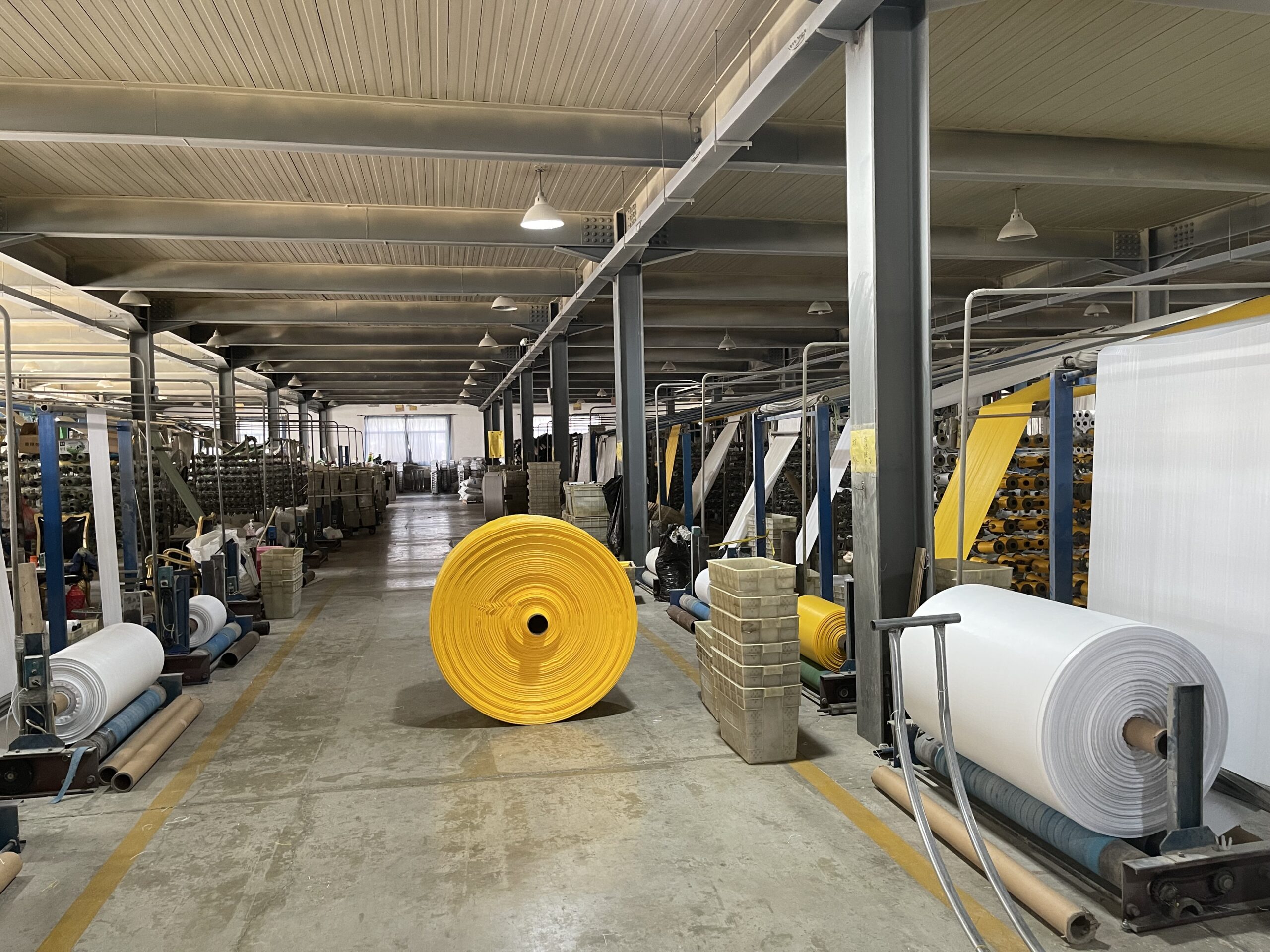
Polyethylene vs Polypropylene Bags Key Differences and Applications Explained
Understanding the difference between polyethylene (PE) and polypropylene (PP) bags is crucial for businesses seeking optimal packaging solutions. This comprehensive guide compares these two popular plastic materials, their properties.
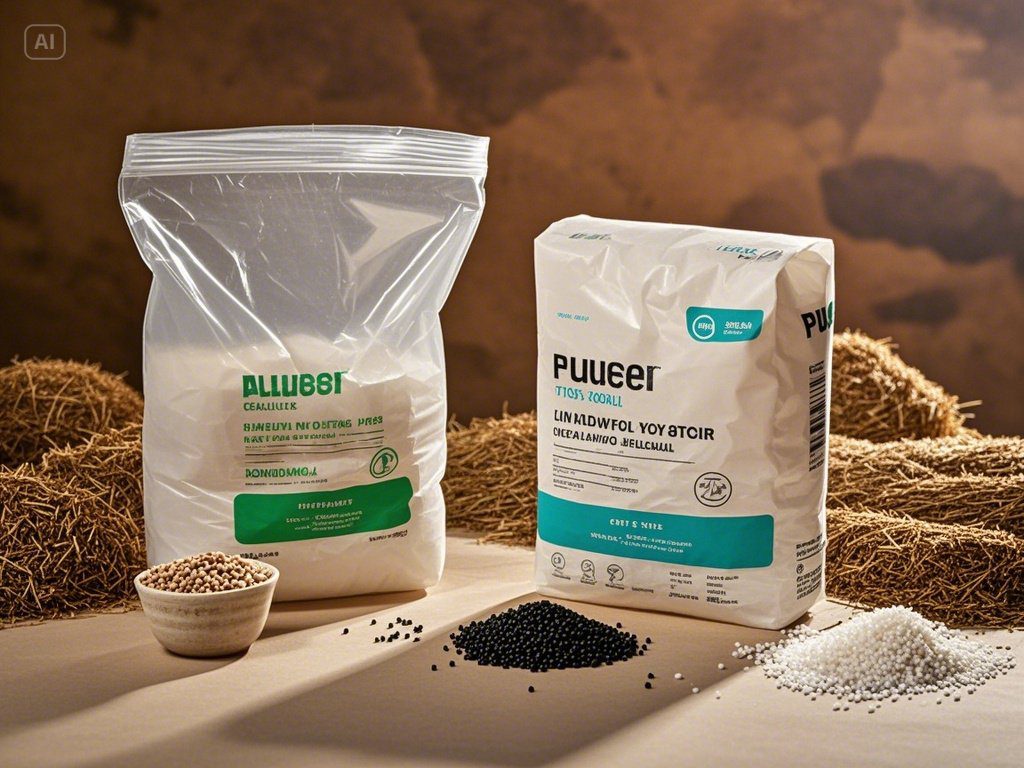
Chemical Composition and Material Properties
Polypropylene Bags (PP)
- Structure: Semi-crystalline thermoplastic polymer with linear chain configuration
- Key Features:
- High tensile strength (45-80 MPa)
- Heat resistance (melting point 160-170°C)
- Chemical and fatigue resistance
- Excellent moisture barrier properties
Common Applications:
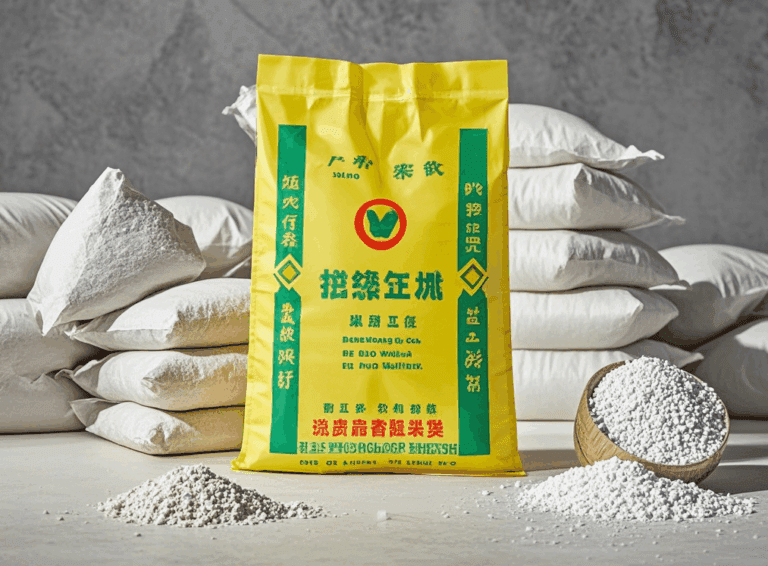
✅ Bulk packaging (grains, fertilizers)
✅ Reusable shopping bags
✅ Industrial sandbags
✅ Woven FIBC containers
Explore industrial-grade PP woven bags (Internal Link)
Polyethylene Bags (PE)
- Structure: Simple linear polymer chain with varying density
- Key Features:
- Superior flexibility (-100°C to 80°C range)
- Impact resistance (IZOD 20-200 J/m)
- FDA-compliant food safety
- Cost-effective production
Common Applications:
🛒 Retail shopping bags
🗑️ Trash/medical waste liners
🍫 Food packaging films
📦 Protective packaging materials
Performance Comparison: PE vs PP Bags
| Property | Polyethylene (PE) | Polypropylene (PP) |
|---|---|---|
| Tensile Strength | 15-30 MPa | 45-80 MPa |
| Melting Point | 115-135°C | 160-170°C |
| UV Resistance | Moderate | Requires Stabilizers |
| Chemical Resistance | Good | Excellent |
| Moisture Barrier | 0.5-1.5 g/m²/day | 0.2-0.8 g/m²/day |
| Recyclability | LDPE: #4, HDPE: #2 | #5 (Widely Recyclable) |
Data Source: Plastics Industry Association Report 2023
Environmental Impact Analysis
Polypropylene Advantages:
- 98% recyclability rate in industrial applications
- 3-5x longer lifespan than PE alternatives
- Lower carbon footprint per reuse cycle
Polyethylene Challenges:
- 40% ends up in landfills (EPA 2022 Data)
- Marine degradation time: 20-500 years
- Microplastic generation concerns
Pro Tip: Consider JTF PACK’s recycled PP solutions combining 30% post-consumer material with virgin polymer for eco-conscious packaging.
Market Trends and Selection Guide
Global Production Stats:
- PE: 115 million metric tons (2023)
- PP: 82 million metric tons (2023)
Growth Drivers:
📈 E-commerce packaging (+18% CAGR)
🌱 Sustainable flexible packaging (+24% demand)
Choosing Between PE and PP:
- Food Packaging: Opt for HDPE (moisture resistance) or PP (hot fill liquids)
- Industrial Use: Select woven PP for heavy-duty applications
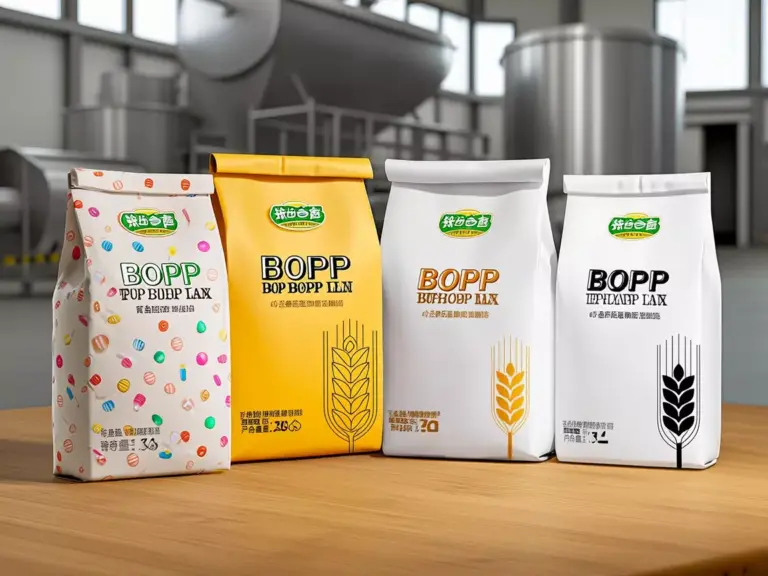
- Retail: Choose LDPE for flexibility or BOPP for premium printing
Why Choose JTF Pack?
As a leading BOPP bag manufacturer in China, we offer:
- Customizable sizes (5g-50kg capacity)
- Multi-layer barrier constructions
- ISO-certified production facilities
- MOQ from 5,000 units with 15-day turnaround