-
+86-18322274823


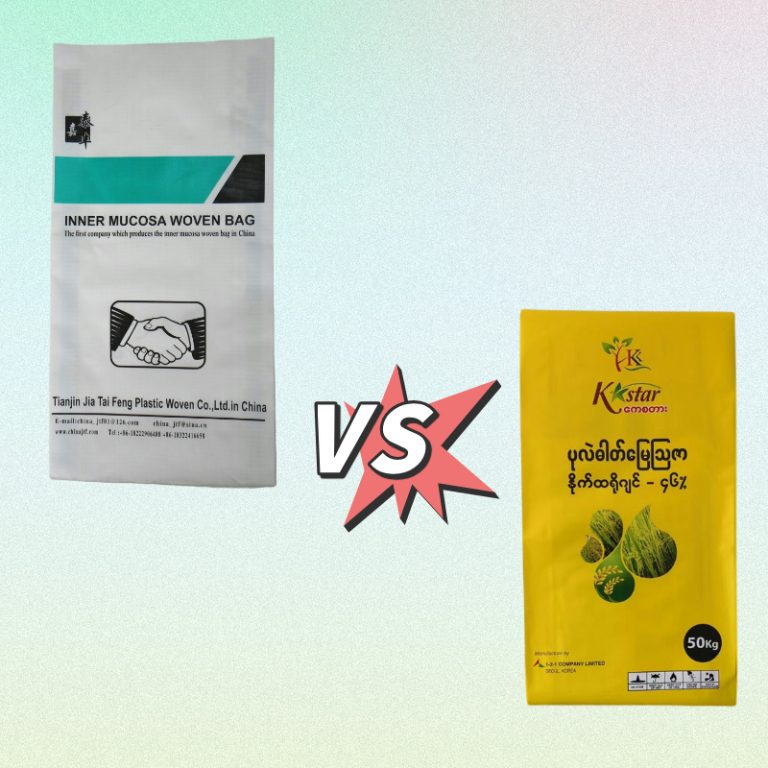
PP/PE Laminated Woven Bags (Inner Mucosal Woven Bags) Features, Applications, and Supplier Insights
Introduction
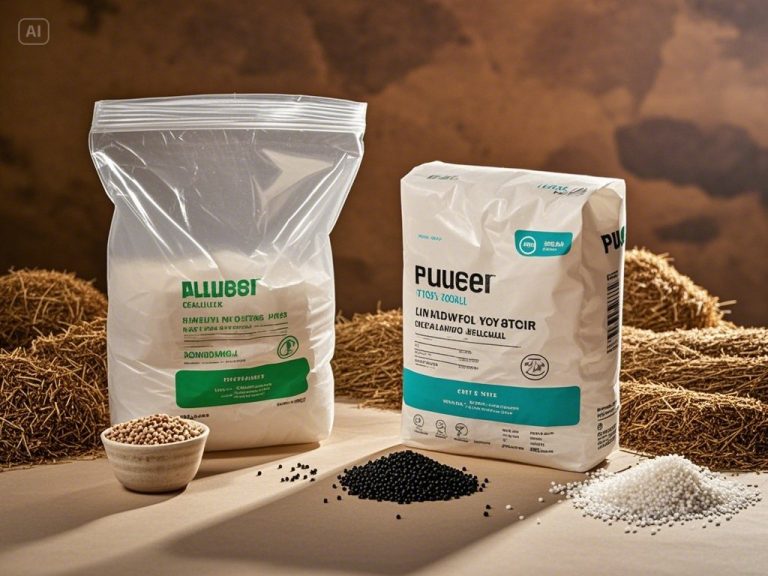
PP/PE laminated woven bags (also known as inner mucosal woven bags) are versatile, durable packaging solutions widely used across industries such as agriculture, construction, chemicals, and food storage. These bags combine the strength of polypropylene (PP) or polyethylene (PE) woven fabric with laminated or mucosal layers to enhance functionality, waterproofing, and longevity. This article explores their design, applications, benefits, and market trends, while clarifying why these terms often refer to the same product category.
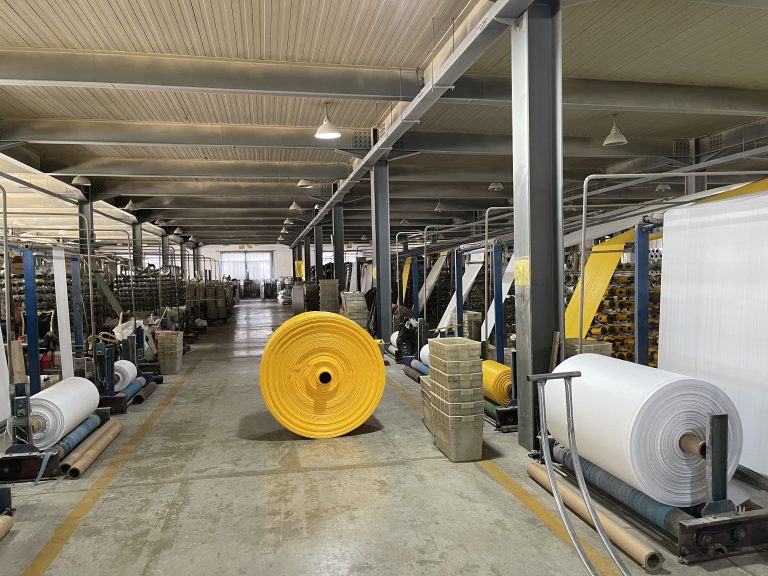
1. Structure and Manufacturing Process
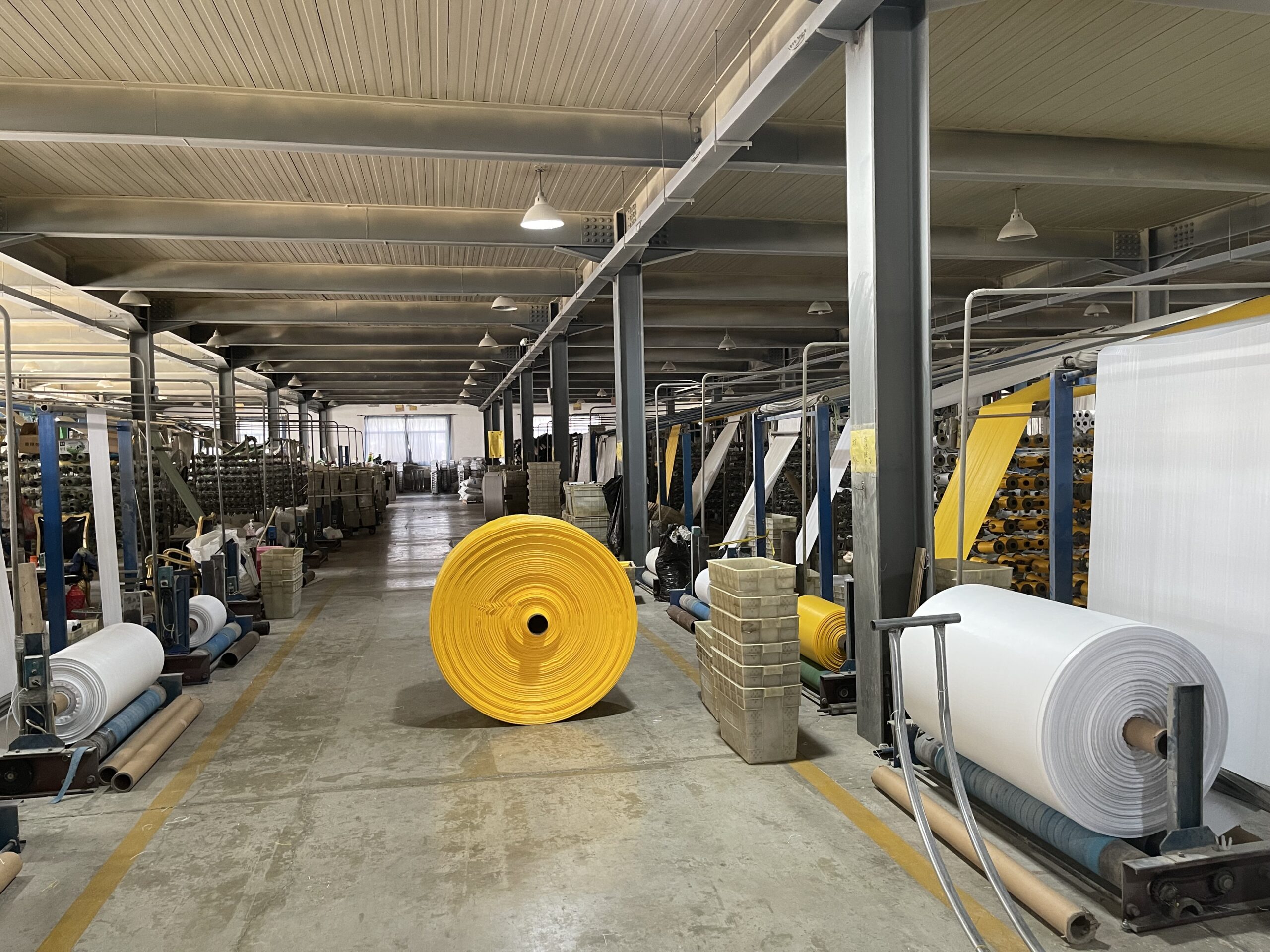
PP/PE laminated woven bags are crafted by weaving polypropylene or polyethylene threads into a robust fabric, which is then laminated with additional layers for specialized performance:
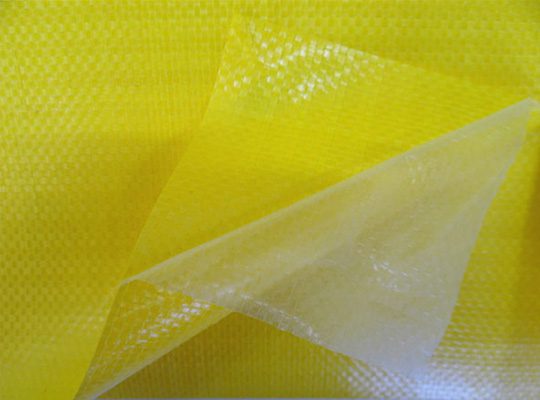
– Inner Mucosal Layer: A key feature of inner mucosal woven bags is the adhesive PE film to the inner surface. This layer prevents moisture ingress, safeguards contents (e.g., fertilizers, chemicals), and improves sealing during filling.
– Outer Waterproofing: The lamination process strengthens moisture and weather resistance in the woven fabric, ensuring the safety and dryness of your contents, even in demanding conditions.
– Customization: Manufacturers like Tianjin Jia Tai Feng Plastic Woven Co., Ltd offer tailored sizes, prints, and reinforced stitching to meet specific load capacities (e.g., 10–50 kg).
2. Key Applications
These bags are indispensable in sectors requiring reliable, high-strength packaging:
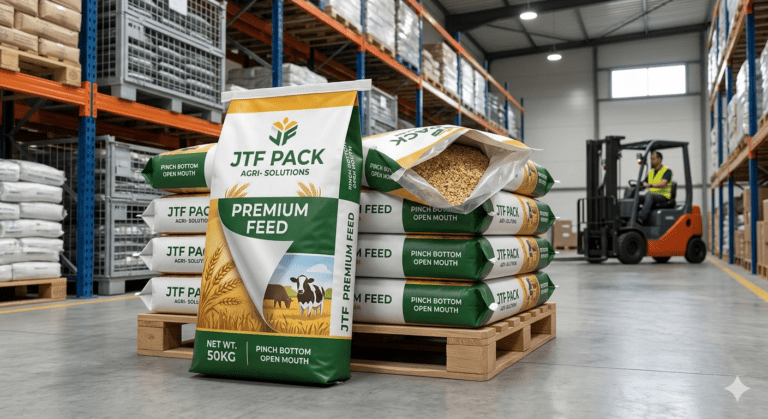
– Agriculture: Storing fertilizers, animal feed, and grains. The laminated lining prevents contamination and extends shelf life.
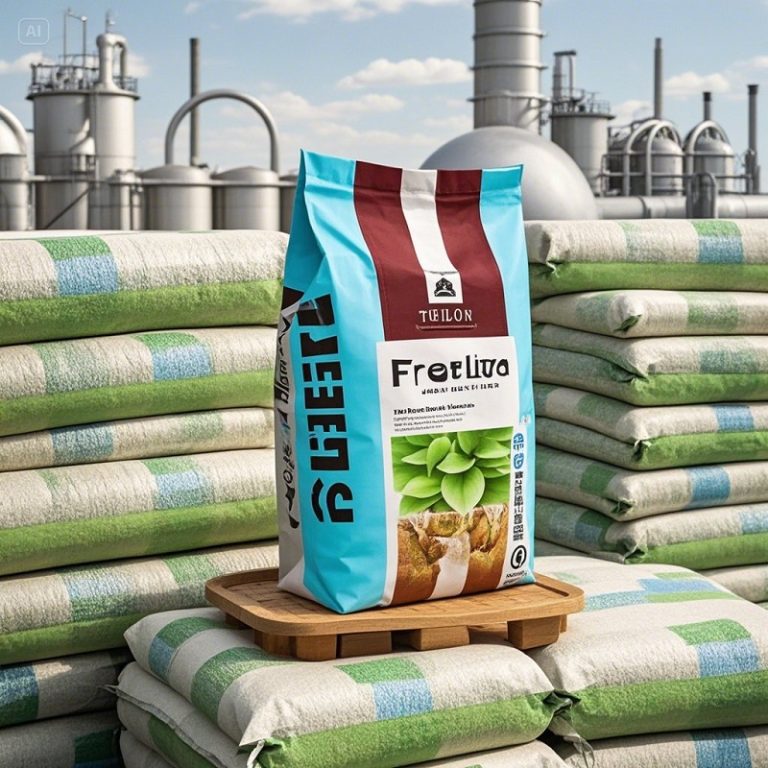
– Chemicals: Resistant to corrosive substances, making them ideal for industrial chemicals and construction materials like cement.
– Food Safety: PP/PE’s non-toxic properties ensure safe storage for flour, sugar, and other dry foods.
– Logistics: Their durability supports stacking and long-distance transport, reducing spillage risks.
3. Advantages Over Traditional Packaging
– Enhanced Durability: PP’s high tensile strength and resistance to tearing outperform standard plastic or jute bags.
– Waterproofing: The mucosal or laminated layer provides superior moisture protection compared to uncoated woven sacks.
– Compliance: Meets international standards like ISO & CE for polymer packaging, ensuring quality and safety.
4. Market Trends and Innovations
– Sustainability: Manufacturers are integrating recyclable materials to align with global eco-friendly initiatives.
– Regulatory Shifts: Countries like India now mandate BIS certification for imported or locally produced laminated bags, emphasizing quality control.
5. Choosing the Right Supplier
Top suppliers like Tianjin Jia Tai Feng Plastic Woven Co., Ltd (ISO-certified) and (exporting to 50+ countries) leverage advanced machinery (e.g., Starlinger weaving systems) to produce up to 5,000 MT annually.
– Payment Terms: Wire transfer,, or secure platforms Trade Assurance.
– Certifications: Ensure compliance with regional standards (e.g., BIS in India).
Conclusion
PP/PE laminated woven bags and inner mucosal woven bags represent the pinnacle of modern packaging technology. Their adaptability, strength, and compliance with global standards make them indispensable for industries prioritizing efficiency and safety. By partnering with certified suppliers and staying updated on regulatory trends, businesses can optimize their packaging strategies for long-term success.