-
+86-18322274823


Mastering Frozen Food Packaging Bags: A Comprehensive Guide to Quality and Durability
In the world of frozen logistics, the packaging bags is the silent guardian of your product. From the sub-zero temperatures of industrial cold storage to the home freezer, a frozen food bag must do more than just hold its contents—it must protect flavor, maintain texture, and ensure safety under extreme conditions.
As a dedicated manufacturer of food packaging, we understand that “one size fits all” doesn’t work for frozen goods. Here is a deep dive into the essential factors for customizing high-performance frozen food packaging bags.
1. Low-Temperature Resilience: Beyond Standard Plastic
Standard plastic films often become brittle and crack when exposed to freezing temperatures. For frozen food, the material must remain flexible and tough even at -18°C or lower.
We typically utilize a multi-layer composite structure to balance different needs:
- Inner Layer: Usually Food-Grade Polyethylene (PE) for its superior flexibility and sealing properties at low temperatures.
- Outer Layer: Reinforced with Nylon (PA) or Polyester (PET) to provide excellent puncture resistance against sharp frozen edges, such as bone-in meats or frozen seafood.
2. Sealing and Moisture Control
Temperature fluctuations during transport can lead to “freezer burn” if the seal isn’t perfect. Moisture from the air enters the bag, causing ice crystals to form on the food surface, which destroys its texture.
To combat this, we recommend:
- Increased Seal Width: Providing a more robust barrier against air ingress.
- Resealable Features: For bulk items like dumplings or frozen berries, integrated zippers allow consumers to reseal the bag, maintaining freshness after the first opening.
- Oxygen Barriers: High-fat products like salmon or pork require specialized coatings to prevent oxygen from turning the fats rancid.
3. Safety-First Printing and Design
Customization isn’t just about branding; it’s about safety. When designing your frozen food bags, two things are non-negotiable:
- Food-Grade Inks: All inks must be non-toxic and compliant with international food safety standards.
- Crack-Resistant Graphics: In deep-freeze environments, heavy layers of dark ink can become brittle and peel. We utilize advanced printing techniques that allow for vibrant designs that shrink and expand with the material without cracking.
4. Precision in the Production Process
A great design fails if the manufacturing is inconsistent. At our facility, we focus on three critical technical pillars:
- Delamination Prevention: We ensure the composite layers are bonded perfectly. If layers separate, the bag loses its barrier properties.
- Heat-Seal Calibration: Our production lines use automated sensors to monitor temperature, pressure, and timing, ensuring every bag is airtight without melting the material too thin.
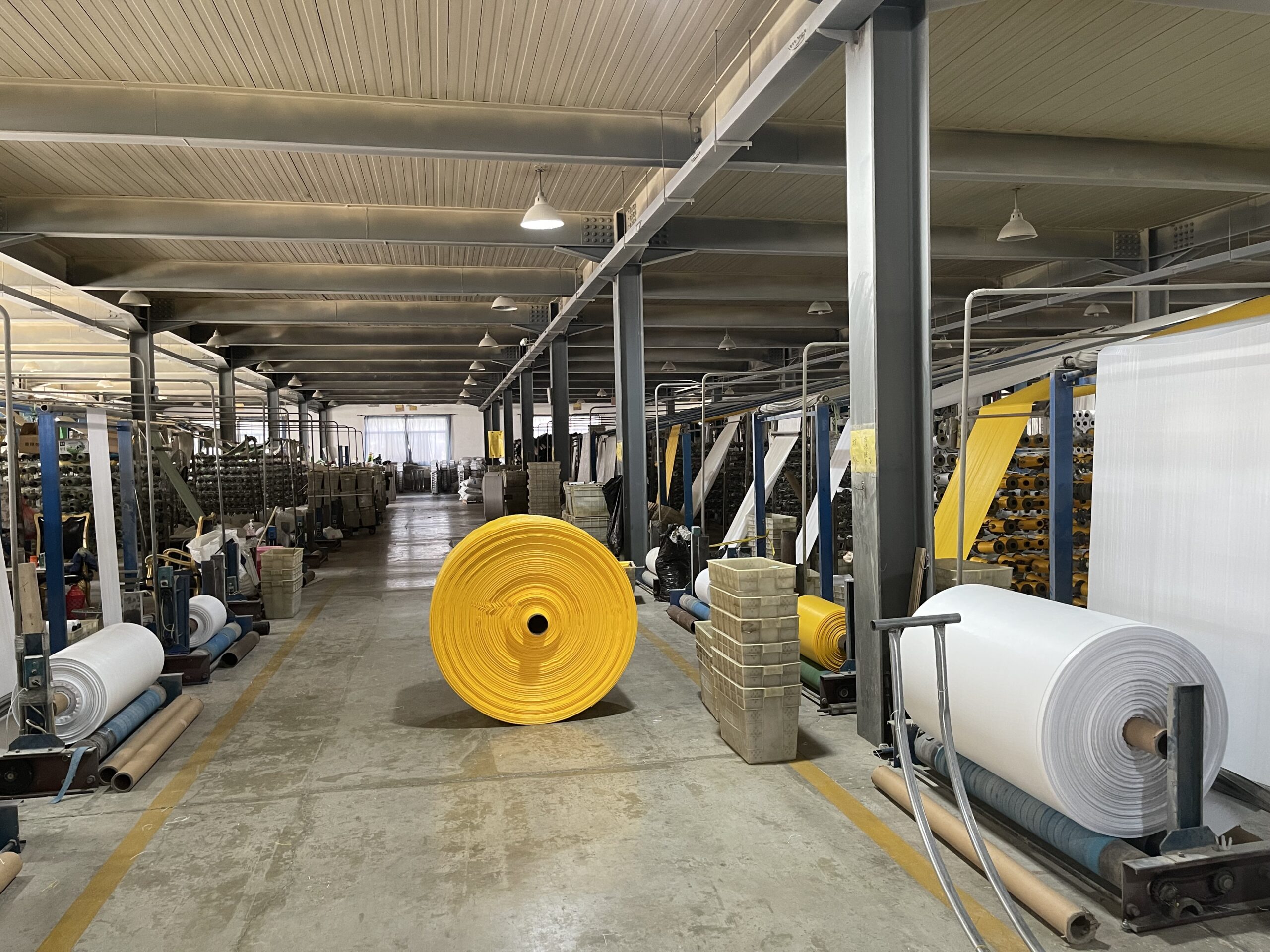
- Hygienic Environment: Our bags are produced in dust-free, controlled environments to ensure that the packaging itself never introduces contaminants to your food.
Why Choose Us as Your Packaging Partner?
Navigating the complexities of frozen food packaging bags requires a partner who understands the science behind the material. We don’t just sell bags; we provide solutions tailored to your specific product—whether you need high puncture resistance for frozen crabs or high-clarity films for frozen vegetables.
With years of expertise and state-of-the-art manufacturing, we help your brand stand out on the shelf and stay fresh in the freezer.