-
+86-18322274823


BOPP Pinch Bottom Bags for Automated Filling Lines: Speed, Seal Integrity & Labor Savings
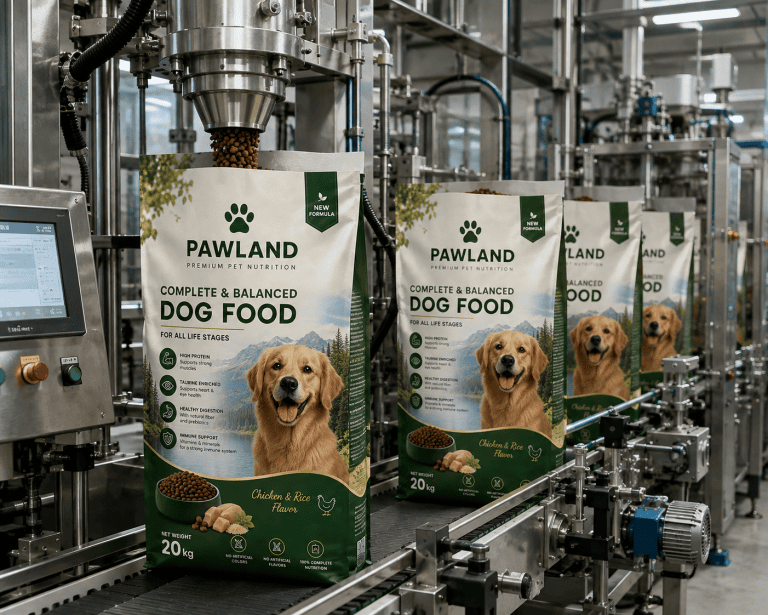
If your feed mill, fertilizer plant, or pet food factory still relies on manually sewn open-mouth sacks, you already know the bottlenecks: slow throughput, inconsistent stitching, dust leakage at the seam, and a labor bill that grows every year. As packaging lines across the agricultural and chemical industries automate, one bag format has emerged as the clear standard: the BOPP pinch bottom bags (also known as a T-shape or pinch bottom open mouth bag).
This article explains exactly why pinch bottom bags are engineered for automated filling — and what to look for when specifying them for your line.
The Problem with Sewn Sacks on Modern Packaging Lines
Traditional sewn-bottom PP woven bags were designed for manual operations. On an automated line running 600–1,200 bags per hour, their weaknesses compound:
- Stitch holes leak fine powders and allow moisture ingress — unacceptable for hygroscopic products like water-soluble fertilizer, fish meal, or milk powder additives
- Sewing stations require dedicated operators and frequent thread changes, creating downtime
- Inconsistent bag geometry causes misfeeds at the bag placer, triggering line stoppages
- Stitched seams are the weakest structural point and the most common failure site during drop tests and container transit
Every stoppage on an automated line costs far more than the bag itself.
How Pinch Bottom Construction Solves These Problems
A pinch bottom bags is closed by folding and heat-sealing (or hot-melt adhesive sealing) the bag end — no needle, no thread, no stitch holes. This construction delivers four measurable advantages on automated equipment:
1. Higher Line Speed
Pinch bottom bags arrive flat and dimensionally consistent, which allows automatic bag placers to pick, open, and present them at rated speed. A well-specified pinch bottom bag sustains 800–1,200 bags/hour on standard gross-weight fillers — versus 400–600 bags/hour typical for manually sewn operations.
2. True Airtight and Moisture-Tight Sealing
The heat-sealed pinch closure, combined with BOPP lamination and an optional PE liner, creates a hermetic seal that stitching can never achieve. For products sensitive to moisture, oxidation, or aroma loss — premium kibble, urea, seeds, water-soluble fertilizers — this directly extends shelf life and reduces rejection rates at destination warehouses.
3. Cleaner Working Environment
No stitch holes means no dust escape at the seam during filling, conveying, and palletizing. Plants handling fine powders report measurably lower ambient dust levels after switching, improving worker safety and reducing housekeeping costs.
4. Fewer Line Operators
An automated pinch bottom line typically runs with one supervisor instead of three to four sewing-line operators. Over a year of two-shift production, the labor savings alone often exceed the price premium of the bags.
Specifying Pinch Bottom Bags for Your Equipment
To run reliably at speed, the bag must match your machine. When ordering, confirm these parameters with your supplier:
Parameter Typical Specification Bag width tolerance ±3mm for reliable auto-placement Bottom fold & glue pattern Matched to your sealer brand (e.g., Newlong, Fischbein-compatible) Fabric weight 75–95 GSM depending on fill weight (10–50kg) BOPP film thickness 18–25μm, gravure printed up to 8–10 colors Anti-slip treatment Embossed or coated outer surface for stable pallet stacks Mouth stiffness Sufficient rigidity for automatic opening without tearing Liner options Loose PE liner, glued liner, or linerless for breathable products
Critical: always run a machine trial with pre-production samples before confirming a container order. A serious manufacturer will support on-site or video-verified line trials.
The Square-Bottom Bonus: Downstream Logistics
Once filled, BOPP pinch bottom bags form a stable, rectangular “brick” shape. This pays off beyond the filling line:
- Pallet stability: square profiles stack tighter, reducing stretch-film consumption by 10–20%
- Container efficiency: less void space means more product per 40HQ — directly lowering freight cost per ton
- Retail-ready appearance: the BOPP gravure-printed surface delivers billboard-quality branding that sewn sacks cannot match, making the same bag serve both industrial and retail channels
Frequently Asked Questions from Line Operators
Can pinch bottom bags handle hot-fill products? Yes — with the correct adhesive and film specification, bags can accommodate fills up to 80–90°C. Always disclose your fill temperature when ordering.
What is the MOQ for custom-printed pinch bottom bags? For BOPP gravure printing, typically 5,000–10,000 bags per design. Plain or flexo-printed bags can start lower.
Do they work with my existing open-mouth filler? In most cases, yes. Pinch bottom bags run on standard open-mouth gross-weight and net-weight fillers with only minor adjustments to the bag magazine and sealer.
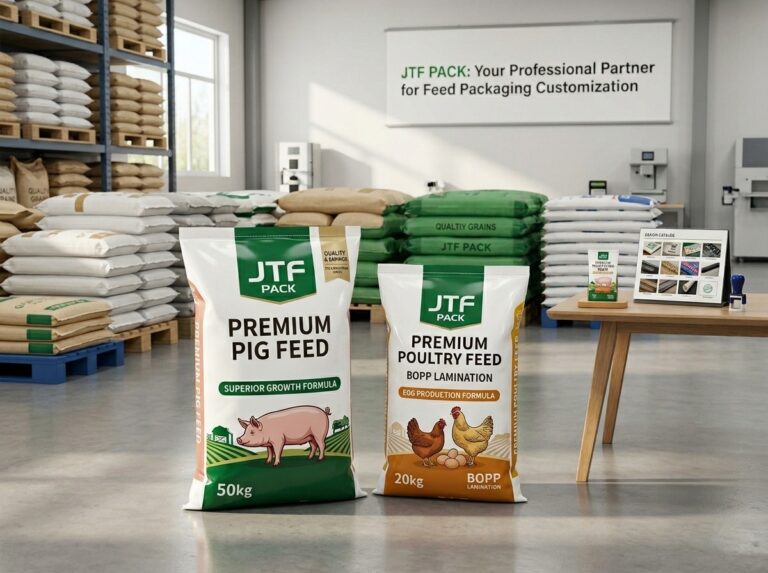
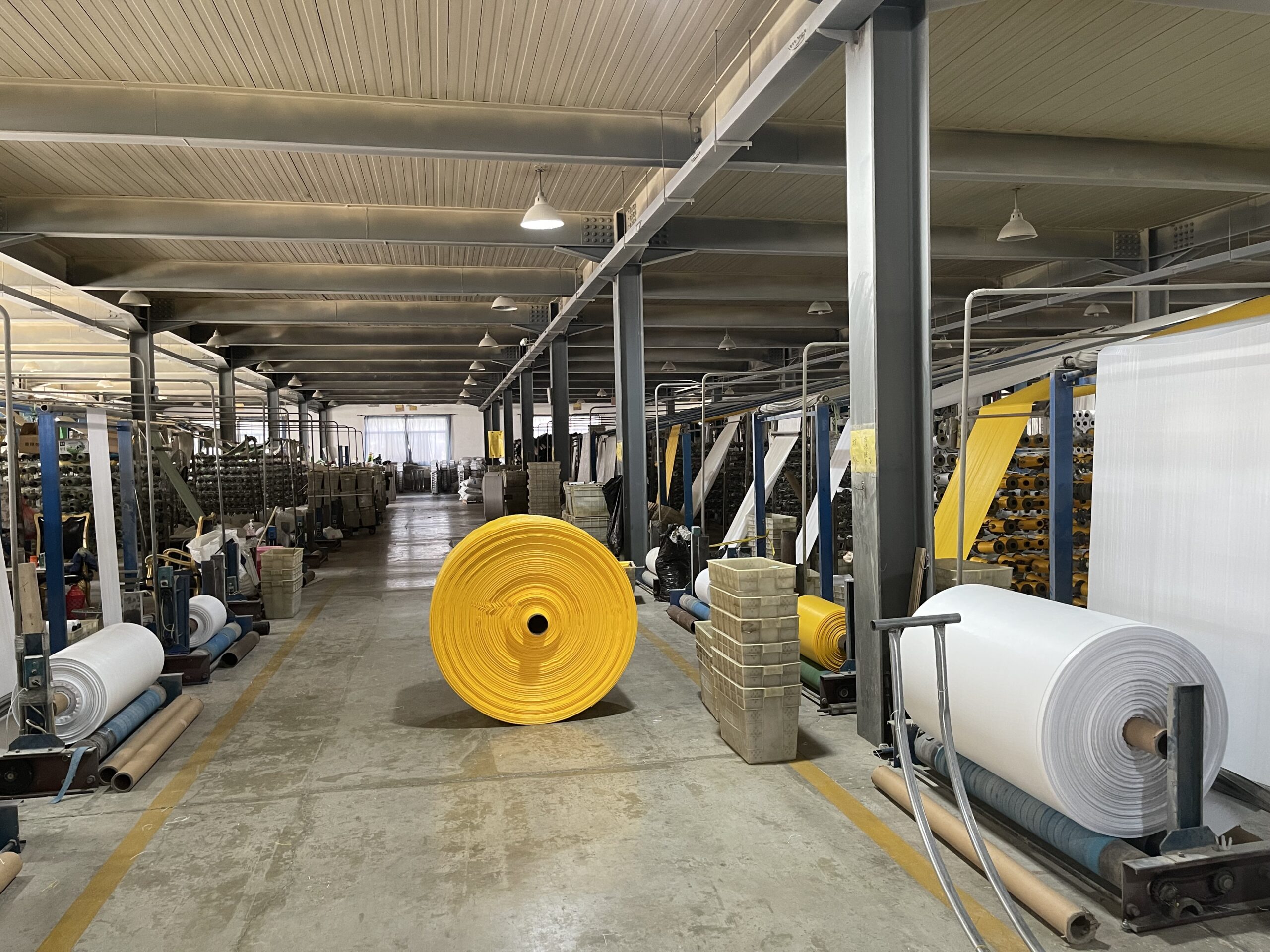
At JTF Pack (Tianjin Jia Tai Feng Plastic Woven Co., Ltd.) , we imported a complete European block-bottom and pinch bottom bag production line in 2015, and have over 30 years of woven bag manufacturing experience. We supply BOPP pinch bottom bags from 5kg to 50kg for fertilizer, animal feed, seeds, and pet food — with free samples, machine-trial support, and third-party inspection available.