-
+86-18322274823


Sourcing BOPP Pinch Bottom Bags: 3 Critical Benchmarks to Protect Your Bottom Line
For business owners in the feed, fertilizer, or chemical industries, the biggest headache isn’t market volatility—it’s a packaging failure during transit.
Imagine a full shipment arriving at a customer’s warehouse only for them to find bags “bursting at the seams” or raw materials clumped into solid blocks due to moisture. These aren’t just “packaging costs”; they are direct hits to your reputation and your profit margins.
Today, functional composite packaging has surpassed a 60% penetration rate in the agricultural sector. Why? Because smart buyers have stopped listening to flashy sales pitches and started “death-gripping” three specific performance indicators.
If you want to secure a reliable woven bag manufacturer, here is the “no-nonsense” checklist you need.
1. Don’t Trust Promises—Put the Tensile Strength on the Scale
Many procurement managers have learned the hard way: a bag that looks thick can still fail under pressure. The culprit is usually “weight cheating” or the inclusion of recycled materials. Small workshops often mix in recycled scrap to cut costs, resulting in a bag that is as brittle as paper.
The Strategy:
- Weight Tolerance: Your contract must clearly define the weight per square meter (GSM) and the allowable error range. Always perform random weigh-ins upon delivery.
- Material Purity: Demand 100% Virgin Polypropylene (PP).
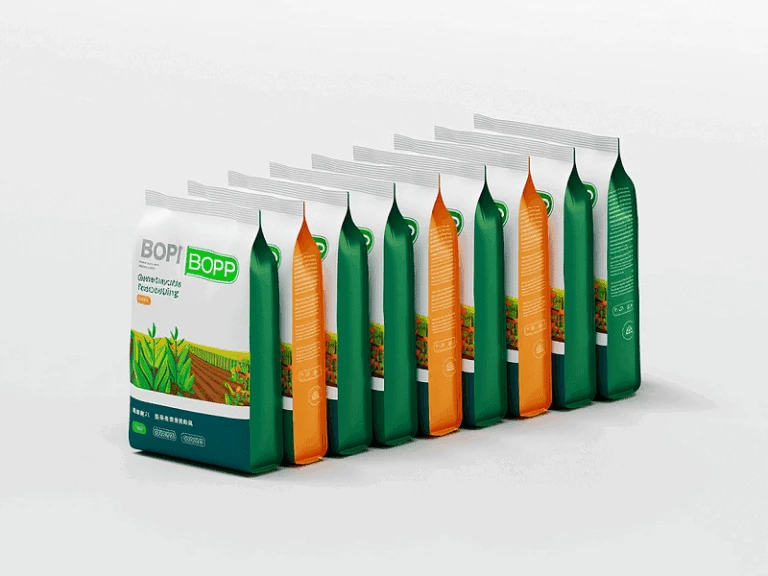
At JTF PACK, our BOPP Pinch Bottom bags are built on the principle of “Zero Recycled Content.” By ensuring the tensile strength in both warp and weft directions far exceeds industry standards, these bags handle the rough vibrations of long-distance trucking and aggressive loading without breaking. Remember: paying a few cents more per bag can save you thousands in lost product and claims.
2. Moisture Resistance Isn’t Magic—It’s Science
For fertilizers and animal feed, humidity is the enemy. A standard woven bag is like a single-layer shirt; it won’t stop the damp from getting in. Real protection comes from composite lamination technology.
This involves bonding one or more functional inner layers (like PE film) to the woven fabric to create a hermetic seal.
How to Verify:
- Bonding Strength: Check if the inner film peels away easily. It should be tightly integrated.
- UV Resistance: If your bags (or Ton Bags) are stored outdoors, specifically ask about Anti-UV additives. Without a certified aging test report, those bags will turn to powder after one summer in the sun.
Our production lines at JTF PACK focus on high-precision lamination, ensuring the inner film is consistent with no pinholes, keeping your contents dry and free-flowing even in humid environments.
3. Scale and Automation: Your “Anchor” for Stability
The most frustrating thing for a buyer isn’t a one-time quality issue—it’s an unstable supply chain. Late deliveries and color inconsistencies between batches can wreck your production schedule. This usually points to a lack of scale.
The Indicators of a Real Partner:
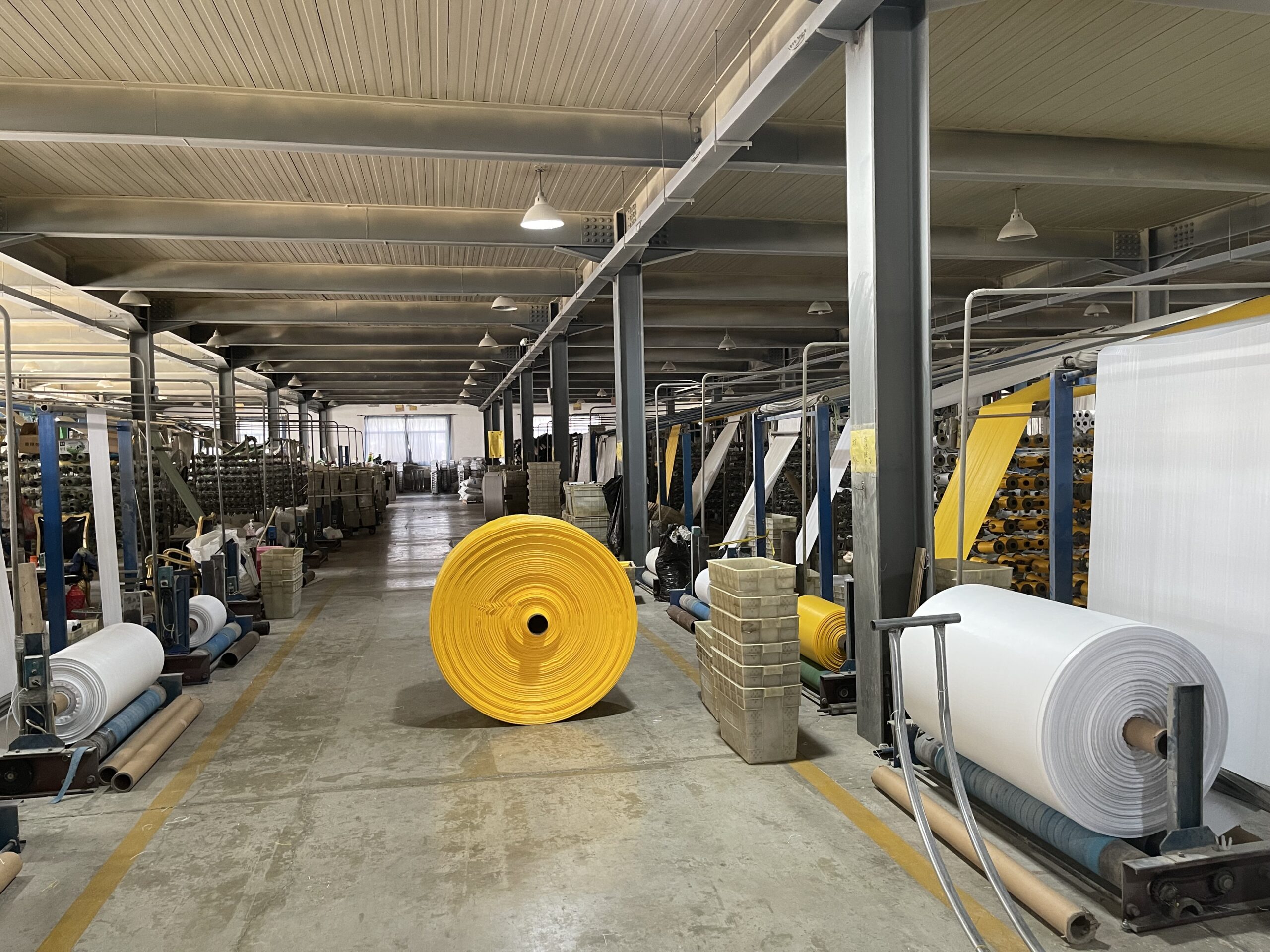
- Facility Size: Look for manufacturers with 8,000+ square meters of modern factory space. Large-scale production isn’t just about volume; it’s about the stability that comes from automated, standardized processes.
- Quality Control (QC) Protocols: A “mom-and-pop” shop won’t have a lab. Ensure your supplier uses drop tests and tensile testers for every batch.
Buyer’s FAQ: Clearing the Confusion
Q: Why is there such a price gap between big factories and small workshops?
A: The difference is “Tested Quality” vs. “Visible Quality.” A reputable manufacturer like JTF PACK subjects every batch of BOPP Pinch Bottom bags to rigorous drop simulations. You aren’t just buying a bag; you’re buying the insurance that your cargo will arrive intact.
Q: What is the deal with “Plate Fees” for custom printing?
A: Custom bags require dedicated printing cylinders (rollers). This is a one-time setup cost. However, we believe in long-term partnerships—at JTF PACK, we typically refund the full plate fee once your cumulative order volume reaches an agreed milestone. Always ask for a “door-to-door” price to avoid hidden shipping surcharges later.
Q: How do I prevent bags from becoming brittle in cold weather?
A: This comes down to the raw material formula. Lower-quality plastics crack in freezing temperatures. For clients in colder regions, we optimize our material blend to maintain flexibility and impact resistance even in sub-zero conditions.
Choosing a partner that meets these three criteria—material integrity, mature lamination, and stable capacity—is the only way to de-risk your supply chain.
At JTF PACK, we live by the creed: “Integrity builds the business; quality wins the market.” We leverage our scale to provide custom-grade reliability at a competitive cost.
Are you ready to upgrade your packaging? Start with a clear set of metrics, and let the results speak for themselves.
What specific challenges are you currently facing with your existing packaging during long-distance transport?
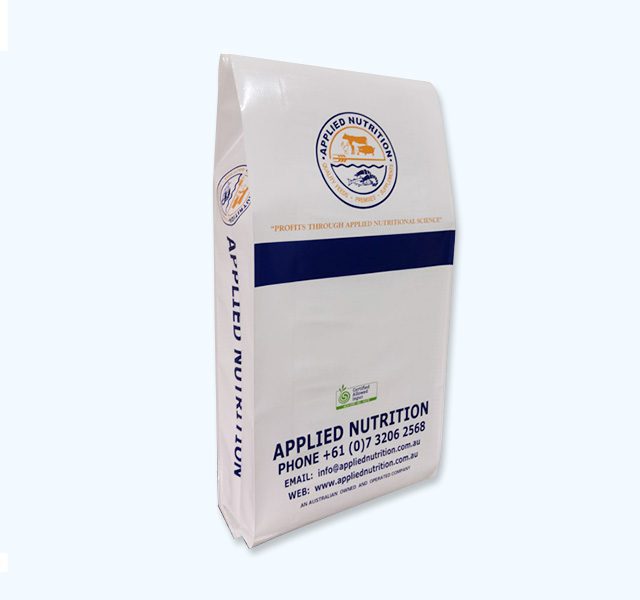
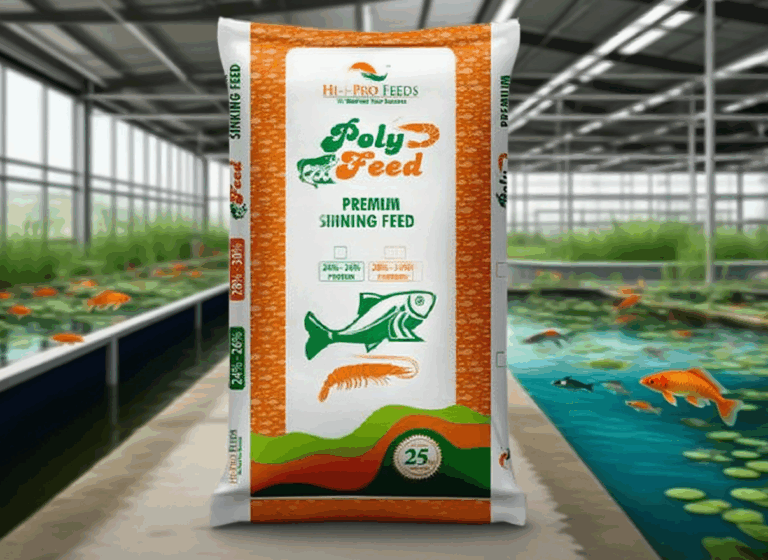
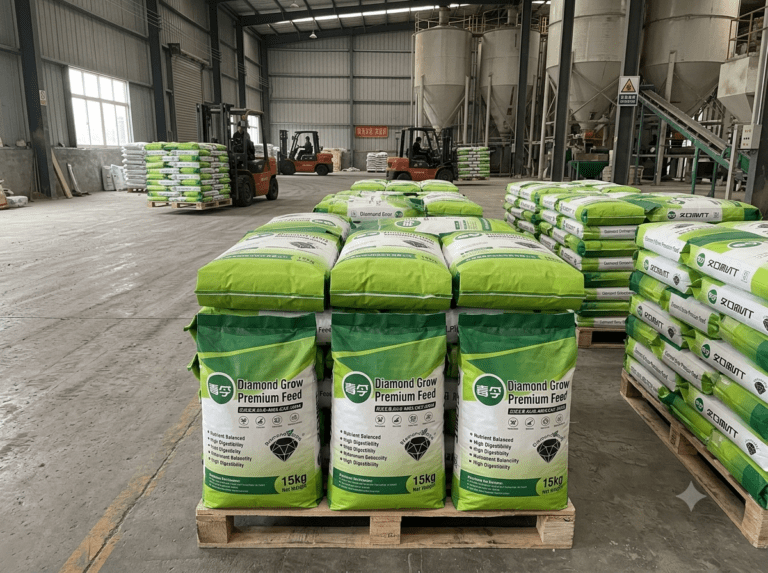
Explore our full line of BOPP pinch bottom bags — engineered for fertilizer, feed, and pet food brands that demand reliability at scale.
Explore our full line of BOPP pinch bottom bags — engineered for fertilizer, feed, and pet food brands that demand reliability at scale.